
Fear of buttons (koumpounophobia)
En español: lee sobre este miedo en Fobias.org.
A fear of buttons surprises people who don’t have it. For those who do, it can affect what they wear, what they touch and even what they can look at.
Many people find that with the right help, they can wear, touch and be around buttons without that rush of discomfort.
Use code PHOBIA at checkout for half price: £24.50 instead of £49. Outside the UK? $29.50.
Understanding this fear
Koumpounophobia is a fear of buttons, usually the kind found on clothes. People who do not have it are often surprised by it, but for those who do, seeing, touching or even thinking about buttons can bring a strong reaction. For many people the main feeling is disgust rather than fear, a sense of revulsion that is hard to explain to others. It can affect what you wear, what you touch and where you feel comfortable.
It is thought to be uncommon, although people may keep quiet about it because they worry others will laugh. Some people are bothered by every kind of button, while others react to particular types, such as plastic, small, old or loose ones. A published case study of a child with a button phobia highlighted disgust as a key part of the problem, alongside fear. It often starts in childhood, sometimes after a memorable moment involving a button.
Common triggers
- Loose buttons hanging by a thread
- Piles or jars of buttons
- Plastic buttons on shirts and coats
- Close up photos of buttons
- Buttons falling off or rolling across the floor
- Touching someone else’s buttoned clothing
- Sewing kits and button displays
- Button eyes on toys or in films
Where it shows up
- Clothes shops and changing rooms
- Your own wardrobe and laundry basket
- School or work uniforms with buttons
- Craft shops and sewing classes
- Hugging people wearing buttoned clothes
- Charity shops and second hand stalls
- Formal events where shirts and blazers are expected
Symptoms
In your body
- Skin crawling or a shiver of revulsion
- Feeling sick or gagging
- Flinching or tensing when buttons are near
- A racing heart
- A strong urge to wash your hands after touching a button
- Feeling hot or sweaty
In your mind
- That is disgusting, I cannot touch it
- Worry that a button will touch your skin
- Embarrassment that others will think the fear is silly
- Unease that lingers until the button is out of sight
- Unwanted images of buttons popping into your head
What you might do
- Only buying clothes with zips, poppers or no fastenings
- Asking others to do up buttons for you
- Avoiding hugs with people in buttoned clothes
- Washing hands after touching buttons
- Looking away from buttons on other people
- Avoiding shops or areas where buttons are sold
What causes it
There is no single known cause. Some people remember a childhood moment involving a button, such as putting one in their mouth, nearly choking on one, or being upset by a tin full of them, while others cannot recall how it began. Disgust is a natural reaction that helps us steer clear of things that might be unclean, and in button phobia it seems to latch onto buttons in a way that feels automatic. Embarrassment, and the way others react, can add to it. Avoiding buttons stops the disgust from fading naturally, so the reaction stays as strong as ever.
How it can affect your life
Button phobia can limit what you can wear, which matters at work, school and formal events where shirts, blazers or uniforms are expected. Clothes shopping can be slow and stressful. It can affect close moments, such as hugging a partner or child in a buttoned top, and some people feel too embarrassed to explain why they pull back. Parents of a child with the fear may need to talk to the school about uniform.
Things that can help day to day
- Notice whether the main feeling is fear or disgust, as this helps you understand your reaction
- Choose clothes with zips or poppers for now, so the fear does not stop you going out
- Start by looking at a picture of a button you find only mildly uncomfortable, and breathe slowly until the feeling eases
- Explain the fear to people close to you, so they understand rather than tease
- If your child has the fear, talk calmly with them and with their school about uniform options
When to get help
It is worth getting help if the fear affects what you can wear for work or school, makes shopping or hugging difficult, or causes you real distress. Your GP is a good first port of call if anxiety is affecting your daily life. If a child’s fear is getting worse or causing problems at school, a parent can speak to the GP or school for support.
How I can help
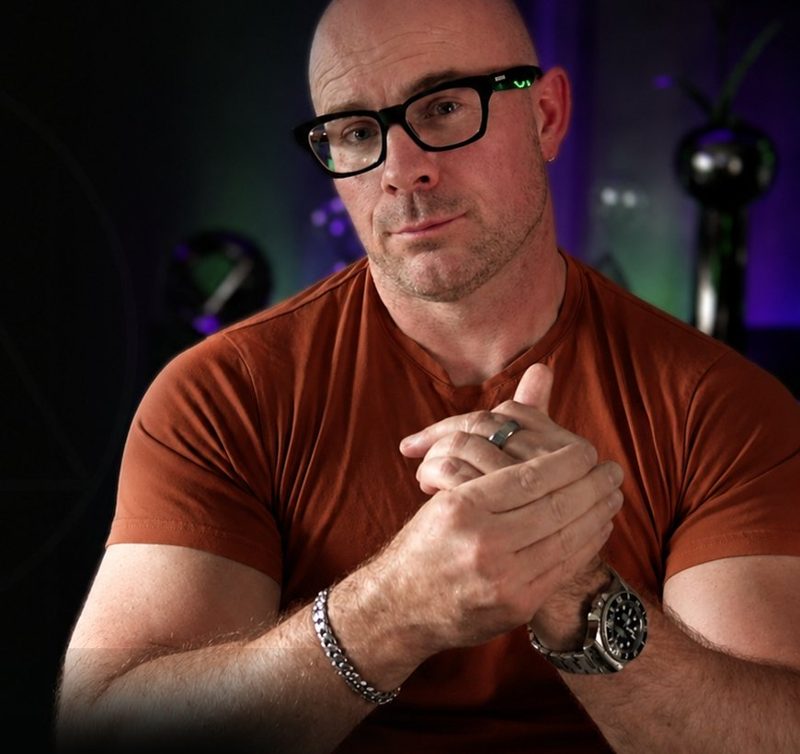
If you’ve tried to talk yourself out of this fear and it hasn’t worked, that isn’t a lack of willpower. A phobia is an alarm your mind learned, and logic alone rarely switches it off.
When I work with a fear of buttons, I pay close attention to the disgust as well as the fear, because the two often need different handling. We find the first memory or image that set it off, which can be surprisingly small. Over Zoom, I use hypnotherapy and NLP to change how that image feels to you, turning down the revulsion, and then we rehearse seeing and touching buttons in your mind while you stay calm. Many clients find they can wear and handle buttoned clothes again with far less discomfort.
I’ve spent 17 years in clinical practice and helped more than 1,000 people with phobias. I hold a Postgraduate Certificate and a Postgraduate Diploma in Clinical Hypnotherapy, both with Distinction.
Common questions
Is a fear of buttons a real phobia?
Yes. It is an uncommon specific phobia, but it can cause real distress and affect daily life. It has been described in published case studies.
Why do buttons feel disgusting rather than scary?
For many people with this phobia, disgust is the main reaction. Disgust is the body’s way of keeping us away from things that might be unclean, and in button phobia it seems to latch onto buttons.
Can children have a fear of buttons?
Yes, it often starts in childhood. Calm support at home, and help from a GP or therapist if it is getting in the way of school or dressing, can make a real difference.
Where does it come from?
Often a childhood moment, like choking on a button or a fixation on a loose one. Disgust is often a bigger part of it than fear.
How do sessions work?
I use hypnotherapy and NLP to change how your mind responds to buttons. Sessions are one to one over Zoom, and you get a recording of the hypnosis to listen to afterwards.
How many sessions will I need?
Many clients notice a real difference after one 90 minute session. If the fear goes back a long way, three sessions gives us room to make the change stick.
Further reading: Simply Psychology: Saavedra and Silverman button phobia study · University of Denver: Case study of a specific phobia for buttons · Wikipedia: Koumpounophobia · NHS: Phobias
Ready to start?
A short call is the simplest next step. We’ll talk about your fear, what you’d like to feel instead, and whether I’m the right person to help.
- Take the free test at the top of this page to see how strong your fear is.
- Book a 30 minute call. Use code PHOBIA at checkout for half price: £24.50 instead of £49 ($29.50 outside the UK).
- Start your sessions over Zoom from wherever you live, or face to face in Hertfordshire.
See all session options and prices