
Fear of cancer (carcinophobia)
En español: lee sobre este miedo en Fobias.org.
Worrying about cancer is understandable. When the worry takes over, with constant checking, searching symptoms online or avoiding the doctor, it starts to shape your life.
You can take sensible care of your health without the worry running your days. Many people find that with the right help, the checking and searching ease.
Use code PHOBIA at checkout for half price: £24.50 instead of £49. Outside the UK? $29.50.
Understanding this fear
Carcinophobia is a persistent, intense fear of getting cancer. Most people worry about cancer from time to time, and paying attention to your body is sensible. With carcinophobia the worry takes over: every ache or lump feels like a sign, reassurance from a doctor does not last, and much of the day can be spent checking or searching symptoms online. For some people it works the other way, and fear stops them going to the doctor at all.
It is closely linked with health anxiety, which the NHS describes as worrying so much about being ill that it takes over daily life. It often follows the illness or loss of someone close, or a health scare of your own. People who have had cancer can also develop a strong fear of it coming back, and some reports suggest this affects a large share of survivors to some degree. Low mood often comes alongside it.
Common triggers
- Finding a lump, mole change or new ache
- A friend or relative being diagnosed
- Celebrity cancer stories in the news
- Screening invitations or test results
- Awareness campaigns and adverts
- Anniversaries of a loved one’s death
- Reading lists of symptoms online
- Waiting for a scan or check-up
Where it shows up
- Searching symptoms late at night
- The GP surgery or hospital
- Screening and check-up appointments
- In the shower or mirror while checking
- Social media and news feeds
- Waiting at home for results
Symptoms
In your body
- Racing heart and sweating
- Tight chest or feeling short of breath
- Stomach churning or nausea
- Tension headaches
- Poor sleep
- Noticing every normal body sensation more strongly
In your mind
- This lump or ache must be cancer
- The doctor might have missed something
- Picturing a diagnosis and what would follow
- Fear about leaving family behind
- Feeling unable to relax until the next test
What you might do
- Checking your body over and over
- Searching symptoms online for hours
- Asking family or doctors for repeated reassurance
- Avoiding the doctor or screening out of fear
- Avoiding news, films or talk about cancer
What causes it
Cancer is common and widely talked about, which makes it an easy target for worry. A loved one’s illness or death, or your own health scare, can leave the mind on high alert for signs of danger. Anxiety itself creates real body sensations, such as headaches or a racing heart, which can then be mistaken for symptoms. Checking, searching online and seeking reassurance bring quick relief, but the doubt soon returns and the cycle starts again. People with a general tendency towards anxiety or OCD may be more likely to get caught in this loop.
How it can affect your life
A fear of cancer can take up hours of the day and make it hard to concentrate at work or enjoy time with family. Relationships can feel the strain when loved ones are asked for reassurance again and again. Some people visit the doctor very often, while others avoid screenings altogether, which can put health at risk. Planning ahead can feel pointless, and low mood often follows.
Things that can help day to day
- Keep up your screening appointments and see your GP about any change that worries you
- Keep a diary of checking, searching and reassurance seeking, then cut back gradually
- When the urge to check comes, go for a walk or call a friend first
- Write a worried thought down, then write a more balanced one next to it
- Practise slow breathing or relaxation each day, not only when anxious
When to get help
Please always see your GP about any symptom that worries you, as early checks matter. If the fear itself is taking over your days, stopping you going to appointments or leaving you feeling low, tell your GP about that too, as health anxiety is very treatable. In England you can also refer yourself to NHS talking therapies.
How I can help
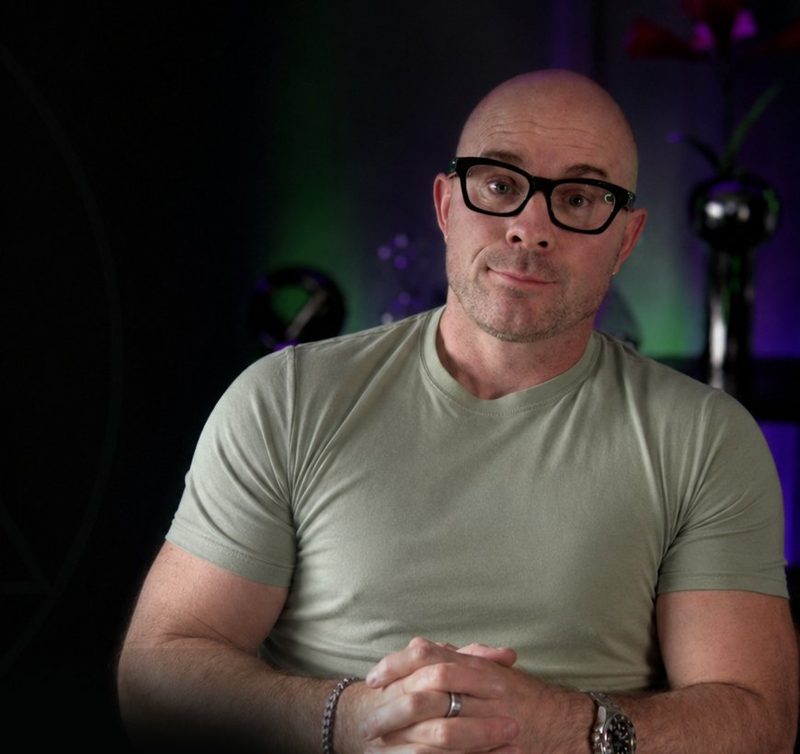
If you’ve tried to talk yourself out of this fear and it hasn’t worked, that isn’t a lack of willpower. A phobia is an alarm your mind learned, and logic alone rarely switches it off.
When I work with a fear of cancer over Zoom, it is always alongside your medical care, never instead of it. I start by finding out what sits behind the fear, often a loss or scare that left your mind constantly on guard. In hypnosis we rehearse noticing a normal body sensation, or waiting for results, while staying calm, so the alarm stops firing at every twinge. Many clients find they can look after their health sensibly without the checking and searching taking over.
I’ve spent 17 years in clinical practice and helped more than 1,000 people with phobias. I hold a Postgraduate Certificate and a Postgraduate Diploma in Clinical Hypnotherapy, both with Distinction.
Please keep up your screenings and see your GP about any symptom that worries you. Hypnotherapy works on the fear, alongside your medical care.
Common questions
How do I know if I have health anxiety about cancer?
Signs include checking your body often, searching symptoms online, needing repeated reassurance and still worrying after a doctor says you are fine. If this sounds familiar, talk to your GP.
Should I stop checking my body completely?
No, being aware of changes is useful. Cancer Research UK suggests noticing what is normal for you rather than checking at set times or in a set way, and seeing your GP if something changes.
Is fear of cancer coming back normal after treatment?
Yes, it is very common among people who have had cancer. If it is affecting your life, your cancer team or GP can point you towards support.
Where does it come from?
It often follows the illness or loss of someone close, or a health scare of your own. Sometimes it’s part of wider health anxiety.
How do sessions work?
I use hypnotherapy and NLP to change how your mind responds to worries about cancer. Sessions are one to one over Zoom, and you get a recording of the hypnosis to listen to afterwards.
How many sessions will I need?
Many clients notice a real difference after one 90 minute session. If the fear goes back a long way, three sessions gives us room to make the change stick.
Further reading: NHS: Health anxiety · Cancer Research UK: Spot cancer early · Osmosis: Carcinophobia
Ready to start?
A short call is the simplest next step. We’ll talk about your fear, what you’d like to feel instead, and whether I’m the right person to help.
- Take the free test at the top of this page to see how strong your fear is.
- Book a 30 minute call. Use code PHOBIA at checkout for half price: £24.50 instead of £49 ($29.50 outside the UK).
- Start your sessions over Zoom from wherever you live, or face to face in Hertfordshire.
See all session options and prices