
Fear of public speaking (glossophobia)
En español: lee sobre este miedo en Fobias.org.
Presentations, meetings, a speech at a wedding. A fear of public speaking can quietly hold back a whole career.
Many people find that with the right help, they can stand up in a meeting or give that speech feeling steady and say what they came to say.
Use code PHOBIA at checkout for half price: £24.50 instead of £49. Outside the UK? $29.50.
Understanding this fear
Glossophobia is a fear of speaking in front of others, from giving a big presentation to saying a few words at a meeting or a wedding. A few butterflies before a talk is normal and can even sharpen you up, but glossophobia brings a level of dread that can start days or weeks ahead and may lead people to avoid speaking altogether. In the moment, the mind can go blank, the voice can shake and it can feel as though everyone is noticing. It is a form of performance anxiety, related to stage fright and exam nerves.
Fear of public speaking is often described as one of the most common fears of all, and one study of university students in the US found that nearly two thirds said they were afraid of it. For some people it stays limited to formal speaking, while for others it is part of a wider social anxiety where any situation with an audience feels threatening. It can sometimes be traced back to an embarrassing moment, such as being laughed at while reading aloud or freezing in front of the class.
Common triggers
- Being asked to stand up and introduce yourself
- Presentations at work or in interviews
- Speeches at weddings, funerals or parties
- Being put on the spot in a meeting
- Video calls where all eyes are on you
- Speaking to people more senior than you
- Being recorded or filmed
- Losing your place in your notes
- Someone in the audience frowning or checking their phone
Where it shows up
- Team meetings and boardrooms
- Job interviews and pitches
- Classrooms, lectures and seminars
- Weddings and family celebrations
- Conferences and award events
- Online meetings on camera
- Church, community or school events
Symptoms
In your body
- Racing heart and rising blood pressure
- Dry mouth and a tight throat
- Shaky hands and a trembling voice
- Sweating and blushing
- Butterflies or nausea
- Tense neck and shoulders
In your mind
- Everyone can see how nervous I am
- My mind will go blank and I will freeze
- They will think I am stupid or not good enough
- Replaying every stumble afterwards
- Dread that builds in the days before
- Comparing yourself with confident speakers
What you might do
- Turning down promotions or roles that involve presenting
- Reading word for word from notes or slides
- Rushing to get it over with
- Asking a colleague to present instead
- Over-preparing late into the night
- Having a drink to calm the nerves before speaking
What causes it
Public speaking taps into a deep fear of being judged or rejected by the group, so the body reacts with the same fight-or-flight response it would use for physical danger. Many people can point to an early experience, such as being laughed at in class or criticised for how they spoke, that made speaking feel risky. Negative self-talk and picturing the worst can then become self-fulfilling, as anxiety makes the shaky voice or blank mind more likely. People also tend to overestimate how visible their nerves are to the audience, which psychologists call the illusion of transparency. Avoiding speaking, or getting through it with heavy safety habits, means the brain never gets the chance to learn that it can cope.
How it can affect your life
Glossophobia can hold careers back more than people realise, as presenting, pitching and speaking up in meetings are often part of moving up. Some people turn down promotions, stay quiet when they have good ideas, or avoid courses that involve presentations. Outside work, it can make big family moments like a best man speech or a eulogy feel unbearable. Over time, this can chip away at confidence and self-esteem.
Things that can help day to day
- Prepare well and practise out loud, first alone and then in front of someone you trust
- Write down your worries, then look back at how past talks actually went
- Take a few slow breaths before you start and pause to breathe during the talk
- Focus on the message you want to share rather than on how you look
- Remember that short pauses feel far longer to you than to the audience
When to get help
It is worth getting help if the fear is stopping you going for jobs or promotions, if the dread lasts for days before speaking, or if you feel anxious in many social situations, not only when presenting. If anxiety is affecting your daily life, book an appointment with your GP, who can talk with you about the support available.
How I can help
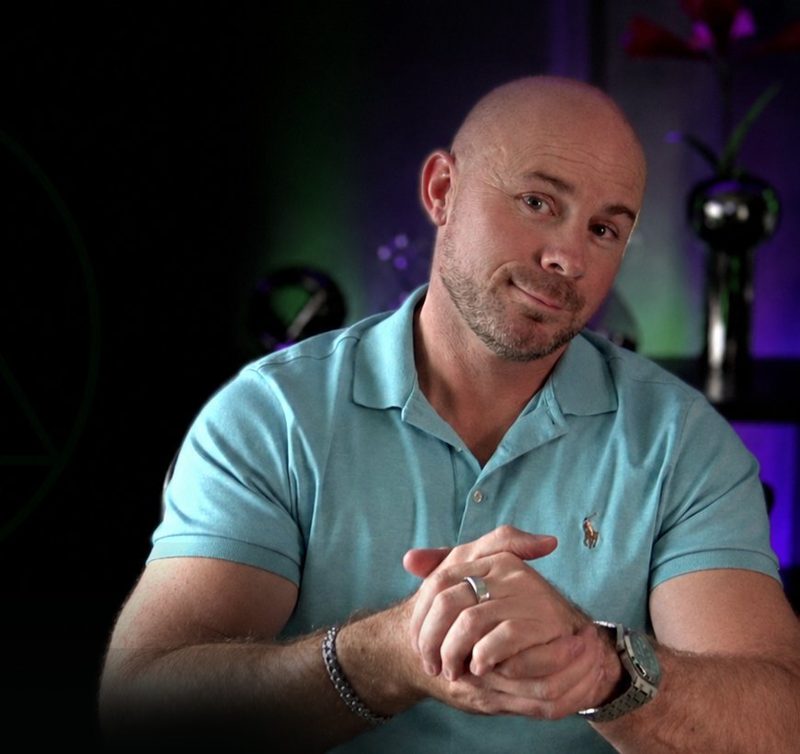
If you’ve tried to talk yourself out of this fear and it hasn’t worked, that isn’t a lack of willpower. A phobia is an alarm your mind learned, and logic alone rarely switches it off.
When I help people with a fear of public speaking, I look for where the fear comes from, whether that is being judged, forgetting the words, or an old memory of being laughed at in class. Over Zoom, I use hypnotherapy to help you feel calm and then rehearse your talk in your mind, standing up, looking at the audience and speaking clearly, so your brain has a new template to follow. NLP techniques can help change the inner voice that says it will go wrong and soften old embarrassing memories. Many clients find they still feel a little buzz before speaking, but it becomes energy they can use rather than fear that stops them.
I’ve spent 17 years in clinical practice and helped more than 1,000 people with phobias. I hold a Postgraduate Certificate and a Postgraduate Diploma in Clinical Hypnotherapy, both with Distinction.
Common questions
Can people really tell when I am nervous?
Usually much less than you think. Speakers tend to overestimate how visible their nerves are, and audiences are mostly focused on what you are saying. A slightly shaky voice or a pause rarely registers with them the way it does with you.
Is fear of public speaking a form of social anxiety?
It can be. For some people it is a fear limited to speaking or performing, while for others it is part of a wider social anxiety that affects many everyday situations. If the fear spreads well beyond presentations, it is worth talking to your GP.
Will the nerves ever go away completely?
Most people, even experienced speakers, feel some nerves before a talk, and anxiety often peaks at the start and eases within a few minutes. The aim is for the nerves to become manageable so they no longer stop you speaking.
Where does it come from?
Usually a moment of embarrassment, at school or work, that the mind decided never to risk again.
How do sessions work?
I use hypnotherapy and NLP to change how your mind responds to public speaking. Sessions are one to one over Zoom, and you get a recording of the hypnosis to listen to afterwards.
How many sessions will I need?
Many clients notice a real difference after one 90 minute session. If the fear goes back a long way, three sessions gives us room to make the change stick.
Did you have this fear yourself?
Yes. I used to dread speaking in front of more than a handful of people. Now I speak to audiences of hundreds, and I’ve done stand-up on London’s open mic circuit.
Further reading: Mayo Clinic: Fear of public speaking · Healthline: Glossophobia · NHS: Social anxiety
Ready to start?
A short call is the simplest next step. We’ll talk about your fear, what you’d like to feel instead, and whether I’m the right person to help.
- Take the free test at the top of this page to see how strong your fear is.
- Book a 30 minute call. Use code PHOBIA at checkout for half price: £24.50 instead of £49 ($29.50 outside the UK).
- Start your sessions over Zoom from wherever you live, or face to face in Hertfordshire.
See all session options and prices