
Fear of mould (mycophobia)
En español: lee sobre este miedo en Fobias.org.
A patch of mould in the bathroom or a damp corner can unsettle anyone. For some people it becomes a constant worry about their health and the safety of their home.
Understanding this fear
Mycophobia is a fear of fungi, which for many people centres on mould in the home. Feeling uneasy about black spots on a bathroom ceiling is normal, and damp and mould are worth sorting out. With a phobia, though, the worry becomes constant: scanning every wall, fearing every musty smell and feeling that your home is no longer safe. The fear stays high even after the mould has been cleaned or treated.
There is little research on mould phobia itself, so it is usually understood as a specific phobia that often overlaps with health anxiety or contamination fears. It can follow a real problem, such as a damp flat that made a child wheezy, or a news story about the health risks of mould. Some people also fear mushrooms and other fungi, finding them strange or disgusting. For others it is closely linked with a fear of germs or illness more generally.
Common triggers
- Black or green spots on walls or ceilings
- A musty or damp smell
- Condensation on windows
- Mould on food such as bread or fruit
- News stories about mould and health
- Mushrooms or toadstools in the garden
- Coughing or wheezing that you link to damp
- Old buildings, cellars or lofts
Where it shows up
- Bathrooms and around the shower
- Window frames and bedroom corners
- Kitchens and fridges
- Rented flats and holiday lets
- Older houses, cellars and garages
- Woodland and gardens
- Other people’s homes
Symptoms
In your body
- Tight chest or feeling short of breath when anxious
- Racing heart on noticing a mark or smell
- Nausea or a churning stomach
- Restlessness and trouble sleeping
- Tense shoulders and headaches
In your mind
- This mould is making us seriously ill
- Thinking every cough or sniffle is caused by spores
- Feeling your home is dirty or unsafe
- Worry that cleaning has not been enough
- Guilt about children or family being exposed
What you might do
- Repeatedly checking walls, corners and windows
- Cleaning the same areas again and again
- Throwing away food or belongings at the first sign of mould
- Searching online about mould and illness
- Avoiding certain rooms or other people’s houses
What causes it
Mould phobia often has a grain of truth behind it. Damp and mould can affect breathing, especially for people with asthma, allergies or weak immune systems, and for babies and older people. When someone has lived with a damp home, seen a family member unwell or read frightening headlines, the brain can start treating any sign of mould as a serious threat. A tendency towards health anxiety or contamination worries makes this more likely. Checking, extra cleaning and searching online all bring brief relief, but they keep attention fixed on mould and teach the brain that the danger is always close.
How it can affect your life
A fear of mould can make home feel like the least restful place to be. People may spend hours cleaning, throw away good belongings, argue with partners or landlords, or feel unable to relax in other people’s homes. Some people avoid older buildings, holidays in cottages or walks in damp woods. Constant worry about a family member’s health can be exhausting and affect sleep and concentration.
Things that can help day to day
- Deal with real damp practically, with good ventilation, extractor fans and heating where you can
- Report damp or mould to your landlord promptly and keep a record
- Set a limit on checking, such as one look a day, and reduce it over time
- Notice worried thoughts and write down a more balanced view next to them
- Use slow breathing when a smell or mark triggers you
When to get help
If you have damp or mould at home, get it dealt with properly through your landlord, council or a professional, and see your GP if you or your family have breathing problems or other symptoms. If the worry carries on after the problem is fixed, or you are cleaning and checking for hours, talk to your GP, as it may be health anxiety or OCD, and both respond well to help.
How I can help
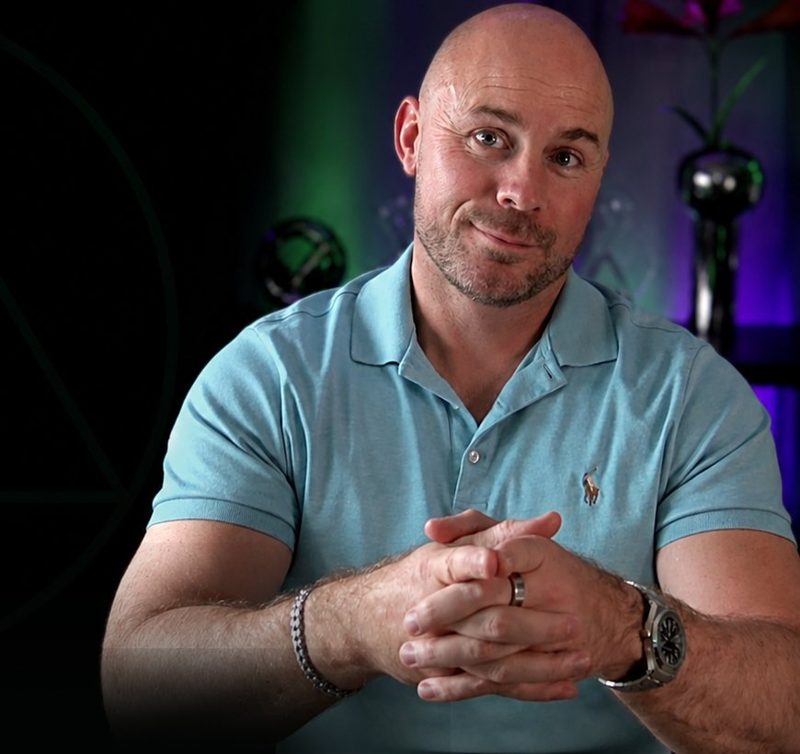
I always say to sort out any real damp first, then we work on the fear so it stops running your days. Over Zoom I help you find what the fear is really about, often a worry about a child’s health or a sense of not being able to keep the family safe. In hypnosis we rehearse walking into your bathroom or a friend’s house and staying calm, and I use NLP to reduce the pull of checking and cleaning. Many clients find they can look after their home sensibly without the constant alarm.
If you have damp or mould at home, it’s worth getting it dealt with properly. The session works on the fear, so it stops running your days.
Common questions
Is it normal to worry about mould in my house?
Yes, damp and mould can affect health, so it makes sense to deal with it. It becomes a problem when the worry carries on after it is fixed, or when checking and cleaning take over your day.
Can mould in my home really affect my health?
It can affect breathing, especially for people with asthma, allergies or a weak immune system, and for babies and older people. That is why it is worth getting damp fixed, and seeing your GP if you have symptoms.
Is fear of mould a form of OCD?
Not always, but it can be. If you feel driven to clean or check over and over to ease anxiety, it is worth speaking to your GP about OCD or health anxiety.
Where does it come from?
Often it follows living somewhere damp, a health scare, or news stories about mould. The worry can grow well beyond the actual risk.
How do sessions work?
I use hypnotherapy and NLP to change how your mind responds to mould. Sessions are one to one over Zoom, and you get a recording of the hypnosis to listen to afterwards.
How many sessions will I need?
Many clients notice a real difference after one 90 minute session. If the fear goes back a long way, three sessions gives us room to make the change stick.
Further reading: GOV.UK: Health risks of damp and mould in the home · NHS: Health anxiety · NHS: OCD symptoms · NHS: Phobias
Ready to start?
Book a £49 consultation call and we’ll talk through your fear, or take the free suitability test first.
See all session options and prices
Hypnosis downloads for this fear
Prefer to start on your own? These recorded sessions from my store are £9.99 each and yours to keep.

