
Fear of snakes (ophidiophobia)
En español: lee sobre este miedo en Fobias.org.
Many people with a fear of snakes have never seen one outside a zoo. Even so, a picture or a scene on TV can be enough to set it off.
Many people find that with the right help, a picture or a TV scene of a snake loses its grip, and nature programmes and days out feel easy again.
Use code PHOBIA at checkout for half price: £24.50 instead of £49. Outside the UK? $29.50.
Understanding this fear
Ophidiophobia is an extreme fear of snakes that goes well past a sensible wariness. People with it may panic at a picture of a snake, a hiss in a film or a coil of rope on a path. Many know that in the UK the chance of meeting a dangerous snake is very small, but that knowledge does not switch the fear off. It is closely linked to herpetophobia, a wider fear of reptiles.
Fear of snakes is described as one of the most common specific phobias, and specific phobias as a group are thought to affect somewhere between 3 and 15 percent of people worldwide. It often begins in childhood and can last for decades if left alone. Researchers still debate how much is inborn and how much is learned. Some studies suggest we are primed to notice snake shapes quickly, and much of the rest seems to come from what we see, hear and experience.
Common triggers
- Snakes in films or documentaries
- Photos and cartoons of snakes
- A hissing sound
- Garden hoses, ropes or sticks on the ground
- Rustling in long grass
- Scaly or zigzag patterns
- Snakeskin prints on clothes or bags
- Conversations about snakes
- News of a snake sighting nearby
Where it shows up
- Zoos and reptile houses
- Pet shops
- Heathland, moorland and long grass
- Walking trails and campsites
- Friends’ homes with a pet snake
- Holidays in hot countries
- Nature programmes at home
- School trips and wildlife centres
Symptoms
In your body
- A sudden jolt of adrenaline
- Racing heart
- Trembling
- Shortness of breath
- Sweating
- Nausea or dizziness
- Freezing on the spot
In your mind
- Certainty that a snake is close by
- Imagining being bitten
- Picturing the way snakes move
- Dread before walks or holidays
- Disgust at the thought of scales
- Feeling foolish for reacting so strongly
What you might do
- Avoiding countryside walks
- Scanning the ground constantly
- Ruling out holidays in certain countries
- Skipping zoos and wildlife parks
- Changing channel quickly
- Asking others to check paths or gardens first
What causes it
There seem to be several routes into a fear of snakes. Some people had a frightening encounter, but many never have, and instead absorbed the fear through warnings from parents, stories, religion or dramatic films. Research suggests that both verbal warnings and watching others react with fear can teach it. Some scientists also argue that humans are biologically primed to pick out snake shapes and zigzag patterns quickly, which may explain why the fear is so widespread. Avoiding anything snake related gives instant relief, but it also stops the brain from learning that most situations are safe.
How it can affect your life
Although snakes are rarely seen in everyday British life, the fear can still shape choices. People may avoid countryside walks, camping, gardening or holidays abroad, and some feel uneasy watching nature programmes with their children. The constant checking of the ground can take the pleasure out of time outdoors. For people who travel for work or live in rural areas, it can create real stress.
Things that can help day to day
- Look at gentle cartoon images first and slowly build up to photos, at your own pace
- Stick to well used paths on walks and wear sturdy shoes, which is sensible for everyone
- Learn a little about UK wildlife, such as the adder being shy and usually moving away from people
- Practise slow breathing when you notice yourself scanning the ground
- Never approach or handle a wild snake to test yourself, and leave any sighting alone
When to get help
It is worth getting help when the fear is narrowing your life, for example stopping you from walking in the countryside, travelling or enjoying time with your family. If you are having panic attacks or the anxiety is affecting your sleep or work, talk to your GP. If you are ever bitten by a snake, get urgent medical help.
How hypnosis can help with fear of snakes
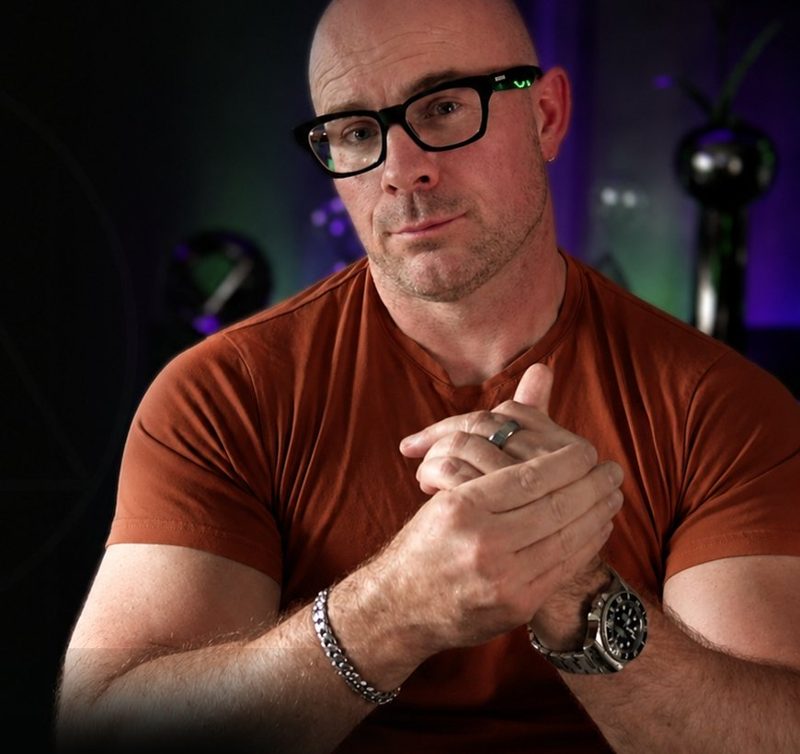
If you’ve tried to talk yourself out of this fear and it hasn’t worked, that isn’t a lack of willpower. A phobia is an alarm your mind learned, and logic alone rarely switches it off.
With snake fear, I am often less interested in snakes themselves and more in how the fear was first wired in, whether through a scare, a film or a parent’s reaction. Working together over Zoom, I use hypnotherapy and NLP to change the way your mind pictures and replays snakes, so the image loses its sudden jolt. We then build calm rehearsals, starting with a picture and moving towards the situations that matter to you, like a walk across heathland. Many clients find they stop scanning the ground and start enjoying the outdoors again.
I’ve spent 17 years in clinical practice and helped more than 1,000 people with phobias. I hold a Postgraduate Certificate and a Postgraduate Diploma in Clinical Hypnotherapy, both with Distinction.
Common questions
Why are so many people afraid of snakes?
Experts are still debating this. Some research suggests humans are primed to spot snake shapes quickly, while other studies show that warnings, stories and seeing others react can teach the fear. Most likely it is a mix of both.
Are there dangerous snakes in the UK?
The adder is the UK’s only native venomous snake, and it is generally shy and avoids people. Bites are rare, but if one happens, get medical help straight away. Most people with a snake phobia never meet one in the wild.
Can I get over a fear of snakes without touching one?
Yes. You do not need to handle a snake to feel calmer, and many people work on the fear through pictures, imagination and guided rehearsal. The aim is to feel at ease in your own life, not to become a reptile keeper.
Where does it come from?
The fear of snakes is very common, and some researchers think we’re primed to notice them. Most people also pick it up from family, films or one frightening moment.
How do sessions work?
I use hypnotherapy and NLP to change how your mind responds to snakes. Sessions are one to one over Zoom, and you get a recording of the hypnosis to listen to afterwards.
How many sessions will I need?
Many clients notice a real difference after one 90 minute session. If the fear goes back a long way, three sessions gives us room to make the change stick.
Further reading: Cleveland Clinic: Ophidiophobia · Medical News Today: Fear of snakes · NHS: Phobias
Ready to start?
A short call is the simplest next step. We’ll talk about your fear, what you’d like to feel instead, and whether I’m the right person to help.
- Take the free test at the top of this page to see how strong your fear is.
- Book a 30 minute call. Use code PHOBIA at checkout for half price: £24.50 instead of £49 ($29.50 outside the UK).
- Start your sessions over Zoom from wherever you live, or face to face in Hertfordshire.
See all session options and prices