
Fear of pregnancy and childbirth (tokophobia)
En español: lee sobre este miedo en Fobias.org.
Tokophobia is a fear of pregnancy or giving birth. It can make the idea of starting a family frightening, or make a pregnancy feel overwhelming.
Understanding this fear
Tokophobia is an intense fear of giving birth, and for some people of pregnancy itself. Most pregnant women feel some worry about labour, such as pain or whether the baby will be well. With tokophobia the fear goes much further, bringing ongoing anxiety, poor sleep and a strong urge to avoid anything to do with birth. For some it means putting off or avoiding pregnancy even when they very much want a child.
Doctors often describe two types. Primary tokophobia affects people who have not given birth before and can date back to childhood or the teenage years, sometimes fed by frightening stories or images. Secondary tokophobia develops after a birth that felt traumatic, and NHS guidance suggests it is the more common of the two. Some estimates suggest around one in seven women may have a severe fear of childbirth, though figures vary a great deal depending on how it is measured.
Common triggers
- A positive pregnancy test
- Hearing other people’s birth stories
- TV programmes or films showing labour
- Antenatal appointments and scans
- Talk of birth plans
- The due date getting closer
- Friends announcing pregnancies
- Reminders of a previous difficult birth
- Hospital smells, gowns or monitors
Where it shows up
- Antenatal clinics and scan rooms
- Labour wards and birth centres
- Antenatal classes
- Baby showers and time with pregnant friends
- GP or family planning appointments
- Online parenting forums and social media
Symptoms
In your body
- Trembling or shaking when birth is mentioned
- Palpitations or a pounding heart
- A knot or churning in the stomach
- Trouble sleeping, sometimes with nightmares
- Sudden tearfulness
- Feeling breathless or panicky
In your mind
- I will not get through it, or my baby will be harmed
- I cannot cope with the pain
- Feeling trapped now that birth cannot be avoided
- Flashbacks or intrusive memories of a past birth
- Feeling out of control
- Guilt about not feeling excited
What you might do
- Avoiding pregnancy despite wanting children
- Skipping antenatal classes or birth talk
- Avoiding pregnant friends or birth stories
- Searching online for worst case scenarios
- Repeatedly asking professionals for reassurance
- Going over every possible birth option to stay in control
What causes it
For some people the fear starts early, from frightening stories, images or family attitudes about birth. For others it follows a birth that felt traumatic, or a loss such as miscarriage or stillbirth, and in that case it can share features with post traumatic stress. A history of anxiety, a lack of support or past experiences of abuse can add to the risk. Fear of pain, tearing or harm to the baby are common worries that can grow into a phobia when they are not talked through. Avoiding information and conversations about birth eases anxiety in the moment, but leaves the fear unchallenged, so it can grow as the due date nears.
How it can affect your life
Tokophobia can shape big life decisions, including whether and when to have a family. During pregnancy it can make what should be a hopeful time feel overwhelming, and it can affect sleep, work and relationships. NHS guidance notes that it can also affect how connected someone feels to their baby, which is one reason getting support early matters. Partners often feel helpless and may need support too.
Things that can help day to day
- Tell your midwife or GP about your fear as early as you can, so it can be planned for
- Ask whether your hospital offers a visit to the labour ward or birth centre
- Be choosy about which birth stories you read, watch or listen to
- Write down your questions for your care team, so you feel more informed
- Use slow breathing to settle your body when anxious thoughts start
When to get help
If you are pregnant, please tell your midwife or GP about your fear, even if it feels hard to say out loud. They can refer you to specialist support, such as a perinatal mental health team, and talk through your birth options with you. If you are not pregnant but the fear is affecting your plans or your mood, your GP is still the right first port of call. If you have had a difficult birth before, many hospitals offer a chance to talk it through with a midwife.
How I can help
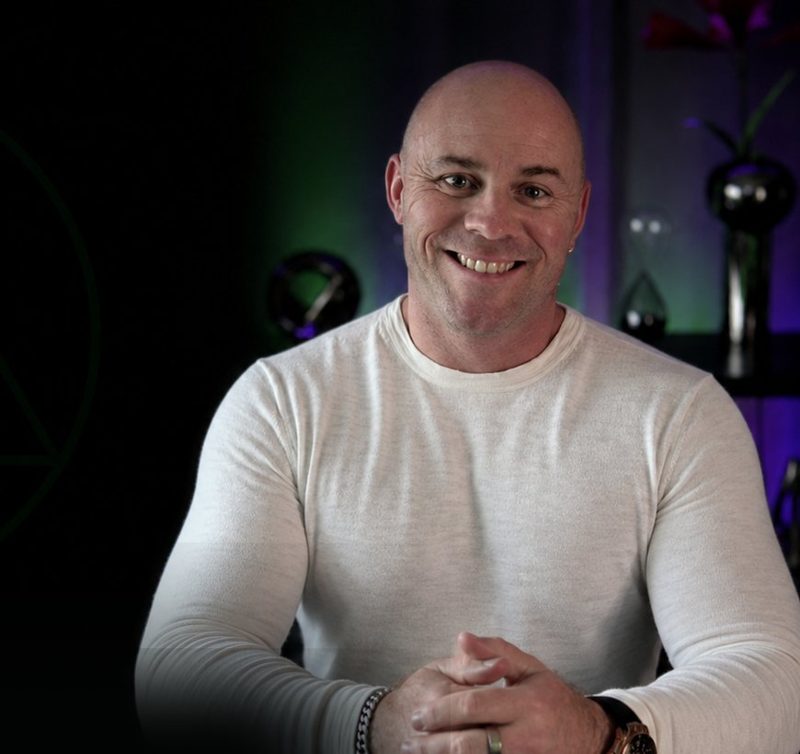
When I work with a fear of childbirth, I always work alongside your midwife and medical team, never instead of them. We start by finding out exactly what the fear is about, whether that is pain, losing control, a past birth or something you saw or heard. Over Zoom, I use hypnotherapy and NLP to help your body learn a calmer response, and we rehearse appointments and the birth itself in your mind while you feel steady. Many clients find the recording helps them feel more settled in the run up to their due date.
If you’re pregnant, please tell your midwife or GP about your fear. They can offer support and talk through your birth options. Hypnotherapy works alongside your care.
Common questions
What is the difference between primary and secondary tokophobia?
Primary tokophobia affects people who have never given birth and often goes back to childhood or the teenage years. Secondary tokophobia develops after a previous birth that felt traumatic and can include flashbacks or nightmares.
Should I tell my midwife about my fear of childbirth?
Yes. Midwives are used to hearing about fears like this, and telling them early means your care can be planned around it. They can arrange extra support and make sure your birth plan reflects what you need.
Can I have a fear of childbirth and still want a baby?
Very much so. Many people with tokophobia want children deeply, which is part of what makes the fear so upsetting. Getting support can help the choice feel like yours again, rather than one made by fear.
Where does it come from?
Some people develop it after a difficult birth, their own or someone else’s. For others it comes from stories, films or a wider fear of medical settings.
How do sessions work?
I use hypnotherapy and NLP to change how your mind responds to pregnancy and birth. Sessions are one to one over Zoom, and you get a recording of the hypnosis to listen to afterwards.
How many sessions will I need?
Many clients notice a real difference after one 90 minute session. If the fear goes back a long way, three sessions gives us room to make the change stick.
Further reading: Patient.info: How to cope with a fear of childbirth · NHS Pan-London Perinatal Mental Health Networks: Tokophobia toolkit · NHS: Phobias
Ready to start?
Book a £49 consultation call and we’ll talk through your fear, or take the free suitability test first.
See all session options and prices
Hypnosis downloads for this fear
Prefer to start on your own? These recorded sessions from my store are £9.99 each and yours to keep.

