
Fear of intimacy (aphenphosmphobia)
En español: lee sobre este miedo en Fobias.org.
A fear of intimacy can be about physical closeness, emotional closeness, or both. It can affect relationships even when you care deeply about the other person.
Many people find that with the right help, closeness starts to feel safe, so they can enjoy the relationships that matter to them.
Use code PHOBIA at checkout for half price: £24.50 instead of £49. Outside the UK? $29.50.
Understanding this fear
A fear of intimacy is a strong, lasting fear of getting close to another person, emotionally, physically or both. The name aphenphosmphobia is often used for a fear of being touched, but many people use it more widely for any fear of closeness. Ordinary nerves at the start of a relationship tend to settle as trust builds, whereas this fear often gets louder the closer someone gets. Many people with it still long for a loving relationship, which is what makes it so painful.
It can affect anyone, whatever their gender, age or relationship status, and it can show up in friendships and family life as well as romance. Intimacy comes in different forms, from sharing feelings and ideas to shared experiences and physical affection, and some people are comfortable with one but not another. It often grows out of earlier experiences of being hurt, let down or not feeling safe with the people closest to you. It frequently sits alongside a fear of rejection, a fear of being abandoned, or a worry about losing yourself in a relationship.
Common triggers
- A partner saying I love you
- Being asked how you really feel
- Hugs, hand holding or unexpected touch
- Talk of moving in together or meeting family
- A relationship starting to feel serious
- Someone wanting to spend more time with you
- Being seen without your usual guard up
- Plans for the future or anniversaries
- A partner asking about your past
Where it shows up
- Early dates when things start going well
- Quiet evenings alone with a partner
- Moments of physical affection at home
- Family gatherings where you are introduced as a couple
- Heart to heart talks with close friends
- Weddings and other celebrations of couples
- Counselling rooms where feelings are explored
Symptoms
In your body
- Tension in the shoulders, jaw or stomach when someone gets close
- A racing heart during affectionate moments
- Feeling hot, flushed or sweaty
- An urge to pull back from touch
- Shallow breathing or a tight chest
- Feeling numb or switched off during closeness
In your mind
- If they really knew me they would leave
- I will get hurt again if I let this happen
- Feeling trapped or smothered when someone wants more
- Doubting a partner’s motives or kindness
- Shame about needing anyone
- Relief mixed with sadness after pulling away
What you might do
- Keeping conversations light and avoiding personal topics
- Picking faults or starting arguments as things get closer
- Ending relationships just as they become serious
- Choosing partners who are unavailable
- Staying very busy so there is little time together
- Avoiding physical affection or making excuses
What causes it
There is rarely one single cause. Past experiences play a big part, especially growing up with care that felt unpredictable or cold, losing a parent through death or separation, or being let down, betrayed or hurt by someone close. Some people learn from watching relationships around them that getting close leads to pain or a loss of control. Low self-esteem and a strong fear of rejection can add to it, because closeness means being truly seen. Once the pattern starts, pulling away brings instant relief, and that relief teaches the mind that distance is the safe option, so the fear stays in place.
How it can affect your life
This fear can lead to a string of short relationships, or to staying single while quietly wanting a partner. Partners may feel unwanted or pushed away, which can cause hurt and arguments on both sides. Friendships can stay at surface level, and people can feel lonely even when surrounded by others. Over time the isolation can wear down mood and confidence.
Things that can help day to day
- Notice the moments you want to pull away and name the feeling before acting on it
- Share one small, honest thing with someone you trust and see what happens
- Use slow breathing, with a longer out breath, when closeness makes you tense
- Tell a partner what helps you feel safe, such as more warning before plans or touch
- Write down where you first learned that closeness was risky, to spot old patterns
When to get help
It is worth getting help if you keep ending relationships you want to keep, if you feel lonely but cannot let anyone in, or if the fear is affecting your mood. Your GP is a good first port of call if anxiety or low mood is affecting daily life. If your fear links to a past upsetting experience, a GP or a specialist counsellor can help you find the right support, and you never have to share more than you want to.
How I can help
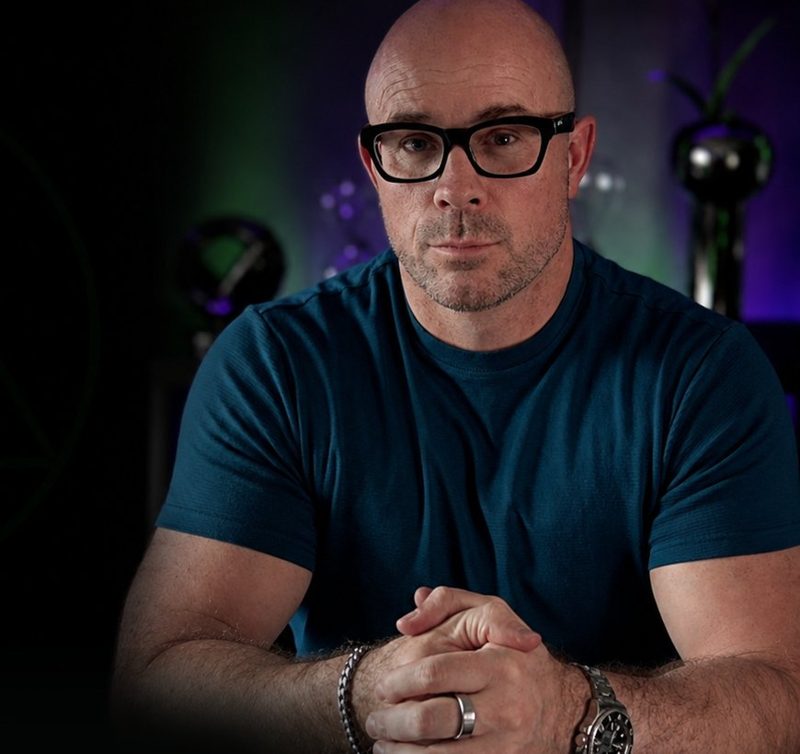
If you’ve tried to talk yourself out of this fear and it hasn’t worked, that isn’t a lack of willpower. A phobia is an alarm your mind learned, and logic alone rarely switches it off.
When I work with a fear of intimacy, I start by gently finding out what closeness has come to mean for you, without asking you to relive anything you would rather not. Often the mind has learned that letting someone in leads to hurt, and that old lesson fires automatically even with someone kind. Using hypnotherapy and NLP over Zoom, we rehearse being close in your imagination while your body stays calm, and we update the alarm response so it fits the present rather than the past. We go at your pace, and many clients find they can relax into affection and honest conversation more than they expected.
I’ve spent 17 years in clinical practice and helped more than 1,000 people with phobias. I hold a Postgraduate Certificate and a Postgraduate Diploma in Clinical Hypnotherapy, both with Distinction.
Common questions
What is the difference between a fear of intimacy and just being independent?
Being independent is a choice that feels comfortable. A fear of intimacy feels more like a pull in two directions, wanting closeness but feeling anxious or trapped when it comes. If you keep pushing away people you care about and feel upset afterwards, fear is likely playing a part.
Can a fear of intimacy affect friendships, not just relationships?
Yes. Some people keep friends at a distance, avoid talking about feelings or drift away when a friendship deepens. The same sense that closeness is unsafe can show up anywhere.
How can I support a partner with a fear of intimacy?
Be patient, keep talking openly and avoid pressuring them to explain where the fear comes from. Small, steady signs that you are reliable tend to help more than big gestures. Gently encouraging them to get support can also make a difference.
Where does it come from?
Often rooted in past relationships, upbringing or a difficult experience. We work with care and at your pace.
How do sessions work?
I use hypnotherapy and NLP to change how your mind responds to closeness. Sessions are one to one over Zoom, and you get a recording of the hypnosis to listen to afterwards.
How many sessions will I need?
Many clients notice a real difference after one 90 minute session. If the fear goes back a long way, three sessions gives us room to make the change stick.
Further reading: Healthline: Fear of intimacy · WebMD: What is fear of intimacy · Psych Central: Fear of intimacy
Ready to start?
A short call is the simplest next step. We’ll talk about your fear, what you’d like to feel instead, and whether I’m the right person to help.
- Take the free test at the top of this page to see how strong your fear is.
- Book a 30 minute call. Use code PHOBIA at checkout for half price: £24.50 instead of £49 ($29.50 outside the UK).
- Start your sessions over Zoom from wherever you live, or face to face in Hertfordshire.
See all session options and prices