
Fear of death (thanatophobia)
En español: lee sobre este miedo en Fobias.org.
Everyone thinks about death sometimes. For some people the thoughts become frequent and frightening, and start to get in the way of enjoying the life they have.
Many people find that with the right help, thoughts about death lose their grip, leaving more room to enjoy the life they have.
Use code PHOBIA at checkout for half price: £24.50 instead of £49. Outside the UK? $29.50.
Understanding this fear
Thanatophobia is a strong, persistent fear of death or of dying. Most of us think about death now and then, especially after a loss. With thanatophobia the thoughts become frequent and frightening, arriving at night, in quiet moments or out of nowhere, and they start to crowd out the enjoyment of everyday life. Some people fear their own death, some fear the process of dying, and some fear losing the people they love.
Thanatophobia is not a formal diagnosis on its own, and doctors often see it as a form of anxiety. Research on death anxiety suggests it tends to be highest in early adulthood and eases with age, with some studies showing a second rise for women around their fifties. It can begin after a bereavement, a health scare or a near miss, or at a turning point such as becoming a parent. It often links with health anxiety, panic attacks or a fear of illness.
If your fear is mostly about losing the people you love, read the page on the fear of losing a loved one.
Common triggers
- A bereavement or anniversary of a loss
- News of a sudden death or disaster
- A health scare or new symptom
- Birthdays and milestone ages
- Funerals and memorial services
- Lying awake in the dark
- Ageing parents or relatives becoming unwell
- Films, books or conversations about the afterlife
Where it shows up
- In bed at night
- Hospitals and care homes
- Funerals and cemeteries
- Flights or long trips away
- Quiet moments alone
- Watching the news
- Family gatherings where someone is missing
Symptoms
In your body
- Racing heart or palpitations
- Sweating or hot and cold flushes
- Dizziness
- Nausea or stomach pain
- Trouble getting to sleep
- Panic attacks
In your mind
- What if I just stop existing
- Constant worry about loved ones dying
- A sense of dread that hangs over good moments
- Thoughts spiralling about what happens after death
- Feeling that life is slipping past too fast
What you might do
- Avoiding funerals, hospitals or talk of death
- Checking the body for signs of illness
- Seeking reassurance from family or doctors
- Keeping busy or distracted to avoid thinking
- Avoiding travel or activities that feel risky
What causes it
Being aware that life ends is part of being human, and most people find ways to live with that without it taking over. For some, a loss, a frightening diagnosis or seeing someone die makes the thought impossible to put away. Uncertainty plays a big part, because the mind tries to solve a question it cannot solve, which leads to more worry. Health problems, a general tendency to anxiety and feeling less supported by others may all raise the risk. Avoiding the subject or seeking reassurance brings relief for a moment but keeps the fear sharp.
How it can affect your life
A fear of death can take the joy out of good times, with the thought of loss sitting in the background of holidays and celebrations. Sleep often suffers, which affects mood and work. Some people avoid travel, hospitals or check-ups, while others check their health constantly. It can also put strain on relationships, especially if loved ones are asked again and again for reassurance.
Things that can help day to day
- Give the worry a short set time each day, then gently move your attention back
- Use slow breathing or a relaxation recording when thoughts come at night
- Talk openly with someone you trust, as keeping it bottled up often makes it bigger
- Focus on what matters to you today, such as time with family or small plans
- Limit late-night news and searching online about illness or death
When to get help
If thoughts about death are frequent, frightening or stopping you enjoying life, it is worth getting help. Please talk to your GP, who can discuss talking therapies and support. If the fear comes with feeling low or hopeless, see your GP, or call Samaritans free on 116 123 at any time.
How I can help
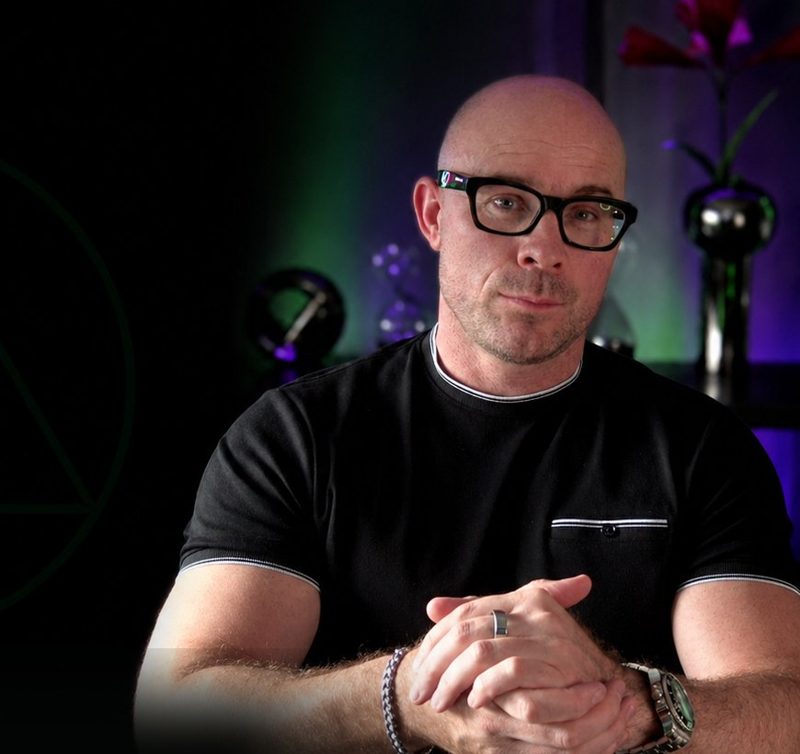
If you’ve tried to talk yourself out of this fear and it hasn’t worked, that isn’t a lack of willpower. A phobia is an alarm your mind learned, and logic alone rarely switches it off.
When I work with a fear of death over Zoom, I go gently and start by understanding what the fear is really about, whether that is the unknown, a loss you have been through or worry for the people you love. Using hypnosis and NLP, I help your mind step out of the spiral of what ifs and settle back into the present. We work on the moments that trigger it, like lying awake at night, so they no longer set off the alarm. Many clients find the fear moves into the background and they can focus on living well.
I’ve spent 17 years in clinical practice and helped more than 1,000 people with phobias. I hold a Postgraduate Certificate and a Postgraduate Diploma in Clinical Hypnotherapy, both with Distinction.
If thoughts about death come with feeling low or hopeless, please talk to your GP, or call Samaritans free on 116 123 at any time.
Common questions
Is it normal to be scared of dying?
Yes, almost everyone feels it at some point. It becomes a problem when the thoughts are frequent and distressing enough to get in the way of daily life.
Why does fear of death get worse at night?
At night there are fewer distractions and the body is tired, so worried thoughts have more space. Slow breathing and a calm bedtime routine can help, and it is worth talking to your GP if sleep is badly affected.
Can fear of death start after losing someone?
Yes, bereavement is one of the most common triggers. Grief and fear often mix together, and support from your GP or a bereavement service can help with both.
Where does it come from?
It can follow a bereavement, an illness or a near miss, or appear at a turning point in life. Sometimes there’s no clear trigger at all.
How do sessions work?
I use hypnotherapy and NLP to change how your mind responds to thoughts of death. Sessions are one to one over Zoom, and you get a recording of the hypnosis to listen to afterwards.
How many sessions will I need?
Many clients notice a real difference after one 90 minute session. If the fear goes back a long way, three sessions gives us room to make the change stick.
Will you try to change my beliefs about death?
No. Whatever you believe, the aim is to take the panic out of the thought so you can get on with living.
Further reading: Cleveland Clinic: Thanatophobia (fear of death) · Healthline: Thanatophobia · NHS: Phobias
Ready to start?
A short call is the simplest next step. We’ll talk about your fear, what you’d like to feel instead, and whether I’m the right person to help.
- Take the free test at the top of this page to see how strong your fear is.
- Book a 30 minute call. Use code PHOBIA at checkout for half price: £24.50 instead of £49 ($29.50 outside the UK).
- Start your sessions over Zoom from wherever you live, or face to face in Hertfordshire.
See all session options and prices