
Fear of spiders (arachnophobia)
En español: lee sobre este miedo en Fobias.org.
For some people it’s a jolt of panic when a spider runs across the floor. For others it means checking every room, avoiding the shed and dreading autumn.
You don’t have to keep living on high alert. Many people find that with the right help, a spider in the bath becomes something they can deal with calmly, and autumn stops being a season to dread.
Use code PHOBIA at checkout for half price: £24.50 instead of £49. Outside the UK? $29.50.
Understanding this fear
Arachnophobia is an intense fear of spiders and other arachnids. It is one of the best known phobias, and for people who have it, a spider in the bath or a dark shape in the corner can trigger panic, screaming or freezing on the spot. Many people say it is the way spiders move, quick and unpredictable, that frightens them more than how they look. The fear can be set off by pictures, a mention of spiders or even the thought that one might be nearby.
Spider phobia is widely described as one of the more common specific phobias, and it often starts in childhood. Some research hints that we may be born ready to notice spiders, as one study found six month old babies reacted more to pictures of spiders and snakes than to flowers. Even so, a lot of the fear seems to be learned from adults’ reactions and from films. Almost all spiders found in UK homes are harmless to people, yet the fear can still feel overwhelming.
Common triggers
- A spider running across the floor
- Webs in corners or sheds
- Spiders in the bath or sink
- Autumn, when house spiders are easier to spot
- Pictures or videos of spiders
- Something tickling your skin
- Dark corners and clutter
- Halloween decorations
- Someone saying there is a spider in the room
Where it shows up
- Bathrooms
- Bedrooms at night
- Sheds, garages and lofts
- Gardens and greenhouses
- Camping and caravan holidays
- Older houses and cellars
- Woodland walks
Symptoms
In your body
- A jolting startle
- Racing heart
- Sweating
- Shaking
- Shortness of breath
- Nausea or dizziness
- Skin crawling or itching
In your mind
- Fear the spider will run at you or onto you
- Constantly wondering where it went
- Strong disgust
- Overestimating how many spiders are around
- Dread at bedtime
- Feeling ashamed of the reaction
What you might do
- Checking bedding, shoes and corners
- Avoiding certain rooms or sheds
- Asking others to remove spiders
- Leaving the house until a spider has gone
- Screaming, running or freezing when one appears
- Avoiding camping and outdoor stays
What causes it
Fear of spiders seems to come from a mix of biology and learning. Some studies suggest humans are primed to notice spiders quickly, possibly a leftover from times when some species posed a real danger. Learning then builds on this, as children watch adults scream or jump and films often portray spiders as threatening. A single startling moment, such as one running across your hand, can be enough to set the fear. Avoidance and constant checking feel protective, but they keep the mind on high alert and stop it learning that UK house spiders pose little risk.
How it can affect your life
Because spiders turn up in homes, gardens and workplaces, the fear can affect everyday comfort. People may lose sleep, avoid certain rooms, refuse to go into sheds or lofts, or turn down camping and holidays. Autumn can be a particularly anxious time of year. Some feel embarrassed in front of partners or children, and parents often worry about passing the fear on.
Things that can help day to day
- Keep a glass and a piece of card handy so you have a plan rather than a panic
- Look at cartoon spiders, then photos, building up gradually at your own pace
- Take a few slow breaths when you spot one, before deciding what to do
- Notice thoughts such as it will crawl on me, and ask what is actually likely
- Try to stay calm in front of children so they are less likely to pick up the fear
When to get help
It is worth getting help if the fear is affecting your sleep, stopping you using parts of your home or limiting holidays and activities. Speak to your GP if you are having panic attacks or anxiety is affecting your daily life, and you can also refer yourself to NHS Talking Therapies. The NHS also mentions phobia support sessions at places like zoos as an option.
How hypnosis can help with fear of spiders
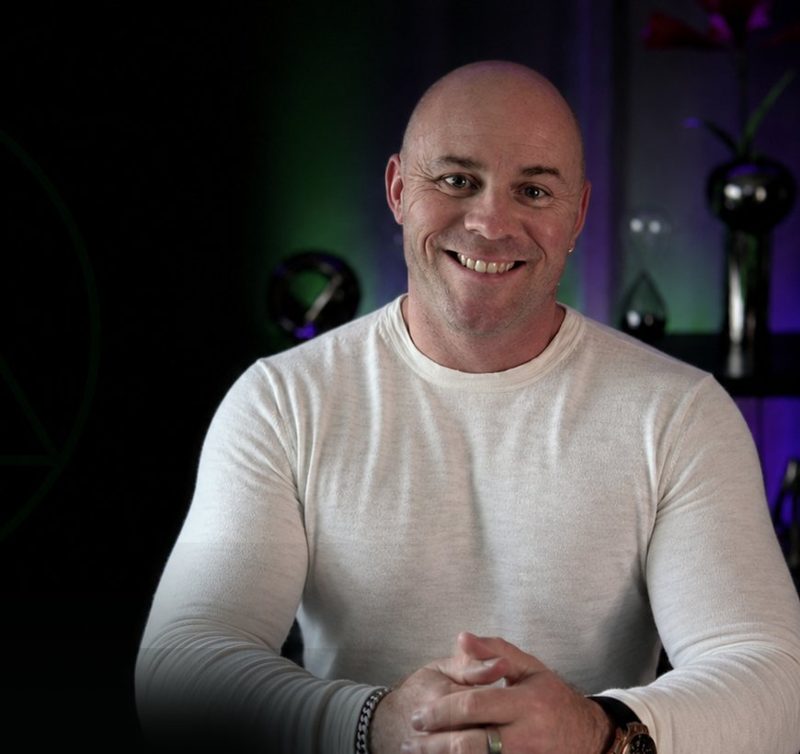
If you’ve tried to talk yourself out of this fear and it hasn’t worked, that isn’t a lack of willpower. A phobia is an alarm your mind learned, and logic alone rarely switches it off.
Spider fear tends to respond well to focused work. Over Zoom, I help you uncover where the fear came from, which may be a startling moment or the reaction of a parent, and use hypnotherapy and NLP to change how your mind pictures spiders, especially the way they move. In a relaxed, absorbed state we rehearse spotting one in the bath or a corner and staying calm enough to decide what to do. Many clients find that spiders become a minor annoyance rather than a source of dread.
I’ve spent 17 years in clinical practice and helped more than 1,000 people with phobias. I hold a Postgraduate Certificate and a Postgraduate Diploma in Clinical Hypnotherapy, both with Distinction.
Real client stories
Watch more spider phobia stories
Common questions
Are spiders in the UK dangerous?
Almost all spiders found in UK homes are harmless to people. A small number of species can bite, but serious problems are rare, and if you are bitten and worried, speak to your GP or NHS 111.
Why are people so scared of spiders?
It seems to be a mix of nature and nurture. Some research suggests babies react to spider shapes early on, while much of the fear is learned from other people’s reactions and from how spiders are shown on screen.
Can arachnophobia be treated?
Yes. Phobias are unlikely to fade on their own in adults, but approaches such as gradual exposure and CBT help many people, and many also find hypnotherapy useful for feeling calmer around spiders.
Where does a fear of spiders come from?
Most spider phobias are learned, often from watching a parent panic as a child, or from one bad fright. Whatever started it, it’s a pattern your mind learned, and patterns can change.
Do I have to touch a real spider?
No. I use hypnotherapy and NLP to change how your mind responds to spiders. You don’t need to see or touch one in the session.
How many sessions will I need?
Many clients notice a real difference after one 90 minute session. If the fear goes back a long way, three sessions gives us room to make the change stick.
I was the hypnotherapist on the Spider Courage course at Chessington World of Adventures, and I’ve talked about arachnophobia on BBC Radio Kent.
Further reading: Medical News Today: Arachnophobia · Anxiety UK: Phobias · NHS: Phobias
Ready to start?
A short call is the simplest next step. We’ll talk about your fear, what you’d like to feel instead, and whether I’m the right person to help.
- Take the free test at the top of this page to see how strong your fear is.
- Book a 30 minute call. Use code PHOBIA at checkout for half price: £24.50 instead of £49 ($29.50 outside the UK).
- Start your sessions over Zoom from wherever you live, or face to face in Hertfordshire.
See all session options and prices