
Fear of love (philophobia)
En español: lee sobre este miedo en Fobias.org.
A fear of love can look like keeping people at arm’s length, ending things when they get serious, or never letting anyone close.
Many people find that with the right help, they can let someone close and enjoy a relationship as it grows, instead of looking for a way out.
Use code PHOBIA at checkout for half price: £24.50 instead of £49. Outside the UK? $29.50.
Understanding this fear
Philophobia is a strong fear of falling in love or of letting a relationship become serious. It is not a formal diagnosis, but it can feel just as real and limiting as any other phobia. Most people feel a flutter of nerves about opening up to someone new, but with philophobia the fear can bring panic, make you run from people you like, or stop you dating at all. Many people know the fear does not make sense and still cannot switch it off.
It can affect people of any age and gender, and it is often seen in people who have been badly hurt before. Common roots include heartbreak, betrayal or unfaithfulness, growing up around unhappy relationships, or difficult early bonds with parents. It often overlaps with a fear of rejection and can sit alongside social anxiety, though philophobia is focused on love rather than social situations in general. For some people, cultural or family pressure around relationships and marriage also plays a part.
Common triggers
- Realising you are developing feelings for someone
- A partner saying they love you
- Being asked to define the relationship
- Talk of the future, marriage or children
- A date going really well
- Friends getting engaged or married
- Romantic films or songs
- Valentine’s Day and anniversaries
- Someone you like messaging more often
Where it shows up
- First and second dates
- Weddings and engagement parties
- Couples’ evenings and double dates
- Dating apps and messaging
- Romantic restaurants or weekends away
- Family occasions where you are asked about your love life
Symptoms
In your body
- A pounding heart when you think about a relationship
- Sweaty palms
- Nausea or a churning stomach
- Shortness of breath
- Chest tightness or a panic attack
- Restlessness and an urge to leave
In your mind
- This will end badly, so better to end it now
- I cannot go through that pain again
- They will cheat on me or leave me
- Feeling trapped once someone shows real interest
- Telling yourself you are better off alone
- Mixed feelings of longing and dread
What you might do
- Ghosting or going quiet when things heat up
- Ending things at the first sign of commitment
- Only choosing casual or short relationships
- Hiding your feelings or acting detached
- Avoiding dating altogether
- Turning down invitations to romantic events
What causes it
Philophobia usually grows out of experience. A painful break-up, betrayal or repeated rejection can teach the mind that love leads to pain, and some studies suggest the hurt of rejection affects the body in ways similar to physical pain, which may explain why it leaves such a mark. Watching parents argue, split up or struggle can also shape how safe love feels. A sensitive temperament and a general tendency towards anxiety may make it more likely. Each time you pull back from a relationship the anxiety drops, and that relief teaches your mind to keep doing it, so the fear grows rather than fades.
How it can affect your life
Philophobia can mean years of loneliness for someone who really wants a partner. It can lead to a pattern of short relationships, ending things with people you cared about, and hurting others without meaning to. Some people start avoiding couples, weddings and family events, which shrinks their social life. Over time the isolation can affect mood and self-worth.
Things that can help day to day
- Look back at your relationship history and notice the patterns, without blaming yourself
- Listen for the critical inner voice and ask whether what it says is really true
- Play out the what if in your mind, then ask whether you would cope if it went wrong
- Set small goals, such as staying for a second date or replying warmly to a message
- Use slow breathing when panic rises, rather than acting on the urge to leave
When to get help
It is worth getting help if the fear has stopped you having the relationships you want, if you keep ending things and regretting it, or if loneliness is pulling your mood down. Your GP is a good first port of call if anxiety or low mood is affecting your daily life. If your mood feels very low, Samaritans are available on 116 123, day or night.
How I can help
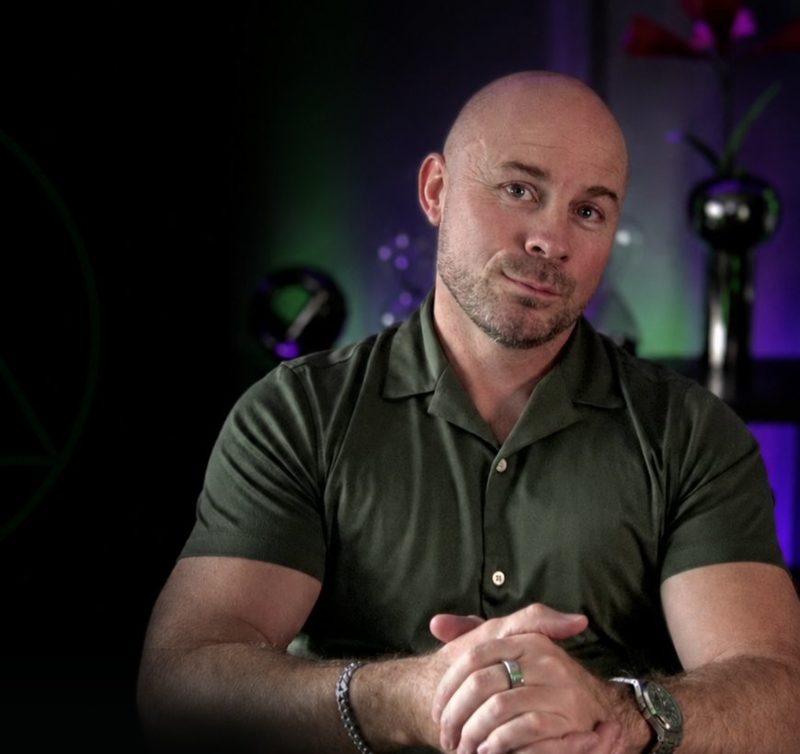
If you’ve tried to talk yourself out of this fear and it hasn’t worked, that isn’t a lack of willpower. A phobia is an alarm your mind learned, and logic alone rarely switches it off.
With philophobia, I look for the moment your mind decided that love was dangerous. It might be a break-up, a betrayal, or something you watched happen to the adults around you. Over Zoom, we use hypnotherapy and NLP to separate that old hurt from the person in front of you now, and you rehearse feeling close and committed while staying calm. Many clients find they can let a relationship grow without the urge to run, and you have a recording to keep that work going between sessions.
I’ve spent 17 years in clinical practice and helped more than 1,000 people with phobias. I hold a Postgraduate Certificate and a Postgraduate Diploma in Clinical Hypnotherapy, both with Distinction.
Common questions
Is philophobia a real phobia?
It is not listed as a separate diagnosis in the main psychiatric manuals, but the fear and the panic it brings are very real. Professionals treat it in much the same way as other phobias and anxiety problems.
What is the difference between philophobia and fear of commitment?
They overlap a lot. Fear of commitment usually centres on the long term, such as moving in or marrying, while philophobia is about the feeling of love itself and letting someone matter to you.
Can you have philophobia and still be in a relationship?
Yes. Many people with it are in relationships but keep their partner at a distance, avoid deeper conversations or feel a constant urge to leave. Working on the fear can help the relationship feel safer for both of you.
Where does it come from?
Usually a painful break-up, a difficult childhood, or watching relationships go wrong around you. The mind learns that closeness leads to hurt.
How do sessions work?
I use hypnotherapy and NLP to change how your mind responds to closeness and commitment. Sessions are one to one over Zoom, and you get a recording of the hypnosis to listen to afterwards.
How many sessions will I need?
Many clients notice a real difference after one 90 minute session. If the fear goes back a long way, three sessions gives us room to make the change stick.
Further reading: WebMD: What is philophobia · Healthline: Philophobia · MedicineNet: Signs of philophobia
Ready to start?
A short call is the simplest next step. We’ll talk about your fear, what you’d like to feel instead, and whether I’m the right person to help.
- Take the free test at the top of this page to see how strong your fear is.
- Book a 30 minute call. Use code PHOBIA at checkout for half price: £24.50 instead of £49 ($29.50 outside the UK).
- Start your sessions over Zoom from wherever you live, or face to face in Hertfordshire.
See all session options and prices