
Fear of women (gynophobia)
En español: lee sobre este miedo en Fobias.org.
A fear of women can affect dating, friendships, work and family life. It’s more common than people think, and rarely talked about.
Many people find that with the right help, they can feel more at ease with women at work, socially and in relationships.
Use code PHOBIA at checkout for half price: £24.50 instead of £49. Outside the UK? $29.50.
Understanding this fear
Gynophobia is an intense fear of women that goes far beyond shyness or awkwardness. It can bring panic or dread when seeing, thinking about or expecting to meet a woman, and the anxiety often rises the closer she gets. It is different from misogyny, which is prejudice or hostility towards women rather than fear. Many people with gynophobia know the fear is out of proportion but cannot control it.
It can affect people of any gender, although it is talked about far less than other phobias. Because women are part of almost every setting, it is very hard to avoid, which can make daily life tiring. Like many specific phobias it often starts in childhood, and it can be linked to a difficult relationship or experience with a woman, or to messages absorbed growing up. It can sit alongside social anxiety or a fear of intimacy.
Common triggers
- A woman speaking to you directly
- Being alone in a room with a woman
- A female manager, teacher or doctor
- Dating or romantic interest
- Criticism or raised voices from a woman
- Groups of women laughing or talking
- A woman standing close to you
- A light touch on the arm or shoulder
Where it shows up
- Work meetings and appraisals
- Shops and checkouts
- GP surgeries and hospitals
- Dates, bars and social events
- Family gatherings
- Schools, colleges and parents’ evenings
Symptoms
In your body
- Sweating and a fast heartbeat
- Chest tightness or difficulty breathing
- Nausea or an upset stomach
- Trembling or shaking
- Dizziness or feeling faint
- Blushing or feeling hot
In your mind
- She will judge, mock or humiliate me
- I will say something stupid and be found out
- A sudden urge to get away
- Feeling small, powerless or out of control
- Embarrassment about having the fear at all
What you might do
- Avoiding eye contact or conversation with women
- Choosing jobs or routes where you will meet fewer women
- Asking someone else to deal with female staff
- Leaving social events early
- Avoiding dating
- Rehearsing conversations over and over beforehand
What causes it
Experts are not sure of one exact cause. For some people the fear follows a frightening or hurtful experience with a woman, such as being bullied, humiliated, neglected or harmed. For others it is learned from watching someone else’s fear, or from messages heard while growing up. A naturally anxious or sensitive temperament and a family history of anxiety can make a phobia more likely. Each time you avoid a woman or leave a situation early, the relief teaches your brain that avoidance kept you safe, so the fear tightens its grip.
How it can affect your life
Because women are everywhere, this fear can affect work, healthcare, friendships and family life. Some people struggle with a female boss or colleague, put off seeing a doctor, or avoid dating altogether. Over time avoidance can lead to loneliness and low mood. Many people also carry shame about the fear, which makes it harder to talk about.
Things that can help day to day
- Notice your fearful thoughts and ask what evidence you have for them
- Practise slow breathing before conversations you find hard
- Start with small, low pressure contact, such as a brief chat at a shop till
- Keep a note of interactions that went better than you expected
- Talk to someone you trust about the fear, so you are not carrying it alone
When to get help
It is worth getting help if the fear is affecting your work, your health appointments, your relationships or your mood. Your GP is a good first port of call if anxiety is affecting your daily life, and in England you can also refer yourself to NHS talking therapies. If your fear links to a past upsetting experience, a GP or specialist counsellor can help you find the right support. If a child seems frightened of women, parents can start by speaking to the GP.
How I can help
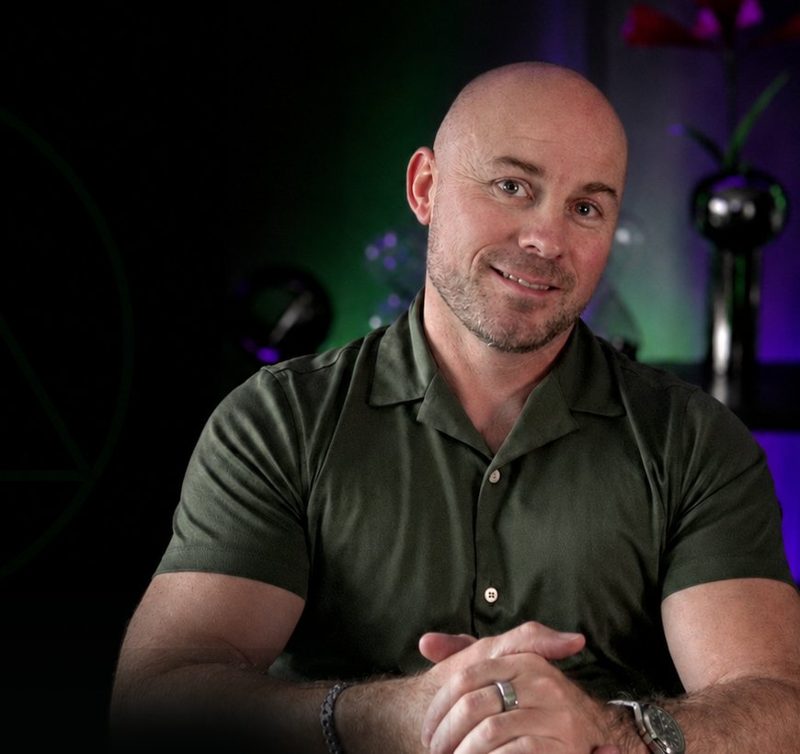
If you’ve tried to talk yourself out of this fear and it hasn’t worked, that isn’t a lack of willpower. A phobia is an alarm your mind learned, and logic alone rarely switches it off.
When I work with a fear of women, I begin by understanding what your mind expects to happen, whether that is being judged, rejected or hurt. Often that expectation was set long ago and is still running on autopilot. Over Zoom, I use hypnotherapy and NLP to rehearse ordinary interactions in your mind, such as a meeting or a conversation, while your body stays calm, and we change how the old memory is stored so it no longer sets off the alarm. Many clients find everyday encounters become noticeably easier, and you have a recording to keep building on that.
I’ve spent 17 years in clinical practice and helped more than 1,000 people with phobias. I hold a Postgraduate Certificate and a Postgraduate Diploma in Clinical Hypnotherapy, both with Distinction.
Common questions
Is gynophobia the same as misogyny?
No. Gynophobia is an anxiety response, a fear the person usually does not want to have. Misogyny is prejudice or hostility towards women. Someone with gynophobia may like and respect women and still feel panic around them.
Can women have gynophobia?
Yes. A fear of women can affect people of any gender, and it is often linked to a difficult relationship or experience. It is nothing to be ashamed of.
How do I know if it is gynophobia or social anxiety?
Social anxiety tends to involve fear of being judged by anyone in social situations. With gynophobia the fear is focused on women in particular. The two can overlap, and a GP or therapist can help you work out what is going on.
Where does it come from?
Often linked to a difficult relationship or experience, or to messages absorbed growing up.
How do sessions work?
I use hypnotherapy and NLP to change how your mind responds to women. Sessions are one to one over Zoom, and you get a recording of the hypnosis to listen to afterwards.
How many sessions will I need?
Many clients notice a real difference after one 90 minute session. If the fear goes back a long way, three sessions gives us room to make the change stick.
Further reading: Medical News Today: Gynophobia · Healthline: What is gynophobia · Psych Central: Gynophobia
Ready to start?
A short call is the simplest next step. We’ll talk about your fear, what you’d like to feel instead, and whether I’m the right person to help.
- Take the free test at the top of this page to see how strong your fear is.
- Book a 30 minute call. Use code PHOBIA at checkout for half price: £24.50 instead of £49 ($29.50 outside the UK).
- Start your sessions over Zoom from wherever you live, or face to face in Hertfordshire.
See all session options and prices