
Fear of birds (ornithophobia)
En español: lee sobre este miedo en Fobias.org.
Pigeons at the station, gulls at the seaside, a bird flapping near your face. For some people it’s a flinch. For others it decides where they’ll walk, eat or sit.
Many people find that with the right help, they can walk through a station or sit outside a café without scanning the sky for birds.
Use code PHOBIA at checkout for half price: £24.50 instead of £49. Outside the UK? $29.50.
Understanding this fear
Ornithophobia is an extreme fear of birds. For some people it covers all birds, while others are mainly afraid of pigeons, gulls, birds of prey or even pet budgies. The fear often centres on sudden movement, such as the flap of wings, a bird swooping overhead or the thought that one might fly into your face. Some people are also unsettled by feathers or the look of birds’ feet and eyes.
There are no firm figures for how many people fear birds, though specific phobias in general are common and women are more likely to have them. It often starts with a frightening moment such as being chased by geese or dive bombed by a gull, but it can also be learned from family. Hitchcock’s film The Birds is often mentioned as feeding the fear. Because birds are almost impossible to avoid outdoors, this phobia can affect daily life more than people expect.
Common triggers
- Wings flapping close by
- Pigeons walking towards you
- Gulls swooping for food
- A bird trapped indoors
- Loose feathers
- Squawking or screeching
- Beaks, claws or beady eyes
- Stuffed birds and ornaments
- Birds in films or adverts
Where it shows up
- Town squares and high streets
- Seaside promenades and beaches
- Parks with ducks and geese
- Train stations and covered markets
- Outdoor cafes and picnic spots
- Gardens with bird feeders
- Zoos and falconry displays
- Homes with pet birds
Symptoms
In your body
- Ducking or flinching
- Racing heart
- Shortness of breath
- Sweating
- Shaking
- Nausea or an upset stomach
- Freezing on the spot
In your mind
- Fear a bird will fly into your face
- Worry about being pecked or scratched
- Disgust at feathers or droppings
- Feeling trapped if a bird gets indoors
- Embarrassment about reacting in public
- Being constantly on alert outside
What you might do
- Avoiding eating outdoors
- Keeping windows shut in summer
- Taking longer routes to avoid flocks
- Checking the sky and pavements
- Pulling up a hood or holding a bag up for cover
- Staying in more than you want to
What causes it
A sudden scare is a common starting point, such as a gull snatching food or a trapped bird flapping around a room. Fear can also be learned by watching a parent react with panic, or by hearing stories about attacks and disease. Films and media that show birds as threatening add to the picture, and a family history of anxiety may make some people more prone. Avoidance then keeps the fear fresh, and for some people staying indoors begins to feel safer, which can grow into a wider fear of going out.
How it can affect your life
Birds are part of almost every outdoor setting, so this fear can quietly limit lots of everyday plans. People may avoid seaside trips, eating outside, outdoor events or walks in the park, and can feel on edge in town centres. Family days out can become stressful, especially in summer. In some cases the person begins to stay home more, which can affect work, friendships and mood.
Things that can help day to day
- Eat outdoor food under cover or away from gulls so you feel more in control
- Start with short clips or pictures of birds and build up gradually
- Practise slow breathing when you notice your shoulders bracing
- Question the thought that a bird is about to fly at you, and notice how rarely it happens
- Plan outings with a supportive friend rather than cancelling them
When to get help
It is worth getting help if you are avoiding outdoor places, staying home more than you want or having panic attacks. Your GP is a good first port of call if anxiety is affecting your daily life or sleep, and you can refer yourself to NHS Talking Therapies. Getting support early can stop the fear spreading into a wider worry about going out.
How I can help
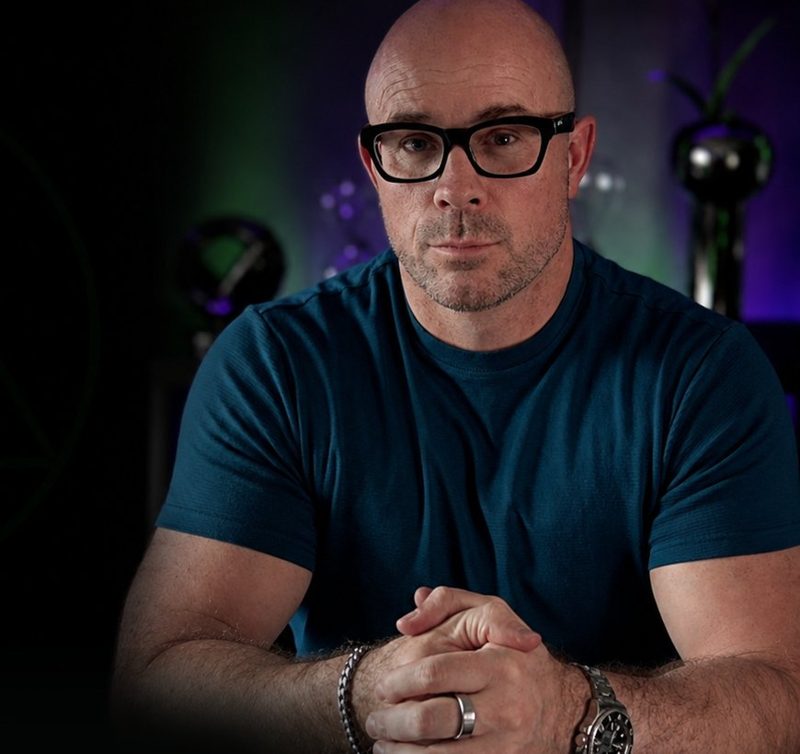
If you’ve tried to talk yourself out of this fear and it hasn’t worked, that isn’t a lack of willpower. A phobia is an alarm your mind learned, and logic alone rarely switches it off.
When I help someone with a fear of birds over Zoom, I start by pinning down exactly what the fear is about, because it is often the flap and the unpredictability rather than the bird itself. Hypnotherapy and NLP let us revisit the moment the fear began and change how your mind holds it. We then rehearse, in a calm and absorbed state, sitting at an outdoor table, walking through a square full of pigeons or strolling along a seafront. Many clients find their body stops bracing every time a bird moves.
I’ve spent 17 years in clinical practice and helped more than 1,000 people with phobias. I hold a Postgraduate Certificate and a Postgraduate Diploma in Clinical Hypnotherapy, both with Distinction.
Real client stories
Common questions
Why am I so scared of pigeons?
Pigeons tend to come close, move suddenly and gather in crowds, which can feel unpredictable. Many people with bird fears say the flapping and the sense that one might fly at them frightens them most, and some also feel disgust about dirt and droppings.
Is fear of birds common?
There are no exact figures, but animal phobias are among the most common types of phobia. You are far from alone, and it is a fear that responds well to help.
Can a fear of birds stop you going out?
For some people it can, because birds are so hard to avoid outdoors. If you notice yourself staying home more to feel safe, that is a good time to get support.
Where does it come from?
Often it’s one frightening moment, like a bird flying at you or getting trapped indoors, or a fear picked up from a parent. The flapping and unpredictability keep it going.
How do sessions work?
I use hypnotherapy and NLP to change how your mind responds to birds. Sessions are one to one over Zoom, and you get a recording of the hypnosis to listen to afterwards.
How many sessions will I need?
Many clients notice a real difference after one 90 minute session. If the fear goes back a long way, three sessions gives us room to make the change stick.
Do I need to be near birds in the session?
No. We work on how your mind responds, so you don’t need to see or be near a bird.
Further reading: Cleveland Clinic: Ornithophobia · Healthline: Ornithophobia · NHS: Phobias
Ready to start?
A short call is the simplest next step. We’ll talk about your fear, what you’d like to feel instead, and whether I’m the right person to help.
- Take the free test at the top of this page to see how strong your fear is.
- Book a 30 minute call. Use code PHOBIA at checkout for half price: £24.50 instead of £49 ($29.50 outside the UK).
- Start your sessions over Zoom from wherever you live, or face to face in Hertfordshire.
See all session options and prices