
Fear of being alone (monophobia)
En español: lee sobre este miedo en Fobias.org.
A fear of being alone can make an empty house feel unbearable, keep you in relationships that aren’t right, or stop you sleeping when you’re on your own.
Many people find that with the right help, an evening on their own feels settled and they can sleep well when the house is quiet.
Use code PHOBIA at checkout for half price: £24.50 instead of £49. Outside the UK? $29.50.
Understanding this fear
Monophobia, also called autophobia, is a fear of being alone. It is different from loneliness, which is sadness about not having enough connection. With monophobia, the anxiety is about being on your own, and it can be there even if you have plenty of people in your life. Some people need a particular person nearby, while others just need to know someone is somewhere in the house.
It is a specific phobia and is often linked with panic disorder and agoraphobia, where people fear having a crisis with no one there to help. It can start after a bereavement, a break up or a frightening event that happened while alone, such as a break in. A childhood where you often felt left, ignored or abandoned can also lay the foundations. Some people feel it even in a crowd, as a fear of being left behind or cut off.
If it is the quiet itself that you find hardest, read the page on the fear of silence.
Common triggers
- A partner going away for work
- The front door closing as someone leaves
- Evenings and nights in an empty house
- Silence with no one to talk to
- Being separated from a loved one in a crowd
- A text that goes unanswered
- Strange noises when you are on your own
- Thinking about living alone in future
Where it shows up
- An empty home at night
- Your bedroom when trying to sleep alone
- Hotel rooms on work trips
- Walking home on your own
- Large crowds where you might lose your group
- Hospital waiting rooms
- A new flat after a move or break up
Symptoms
In your body
- Racing heart when someone leaves
- Tight chest or shortness of breath
- Trembling
- Sweating
- Nausea or an upset stomach
- Being unable to sleep
- Dizziness
In your mind
- Something will happen and no one will help me
- I cannot cope on my own
- They will not come back
- Feeling unsafe and on high alert
- Dread as the time to be alone gets closer
- Sadness or emptiness when the house is quiet
What you might do
- Asking others not to leave or to come home early
- Calling or messaging over and over
- Keeping the TV or radio on all the time
- Staying with friends or family to avoid nights alone
- Staying in relationships that do not feel right
- Checking locks and windows many times
What causes it
Often it begins with an experience of being left, such as the loss of a parent, a divorce in childhood or feeling neglected. It can also follow a frightening event that happened while alone, such as an injury, a break in or a panic attack with no one there. A family history of anxiety or phobias seems to make it more likely, and it is often found alongside panic disorder or agoraphobia. Once the fear is there, always arranging company brings relief, so the mind never gets the chance to learn that you can cope on your own.
How it can affect your life
This fear can affect where people live, the jobs they take and the relationships they stay in. Some remain with a partner who is not right for them, or feel unable to travel, move out or let others have time away. Partners and family can feel worn down by constant calls or requests to stay. Lack of sleep on nights alone can affect mood, work and health.
Things that can help day to day
- Build up time alone gradually, starting with a few minutes and adding more
- Plan comforting things for time on your own, such as a favourite meal, a film or a bath
- Make a simple plan, such as knowing who you could call, so your mind feels prepared
- Practise slow breathing when the house goes quiet
- When you think you cannot cope alone, list the times you already have
When to get help
It is worth getting help if you are staying in relationships or situations because of the fear, if you cannot sleep when alone, or if you are having panic attacks. If you are feeling lonely or low, your GP is a good first step and can talk through support. If you are struggling and need someone to talk to at any hour, Samaritans are free on 116 123.
How I can help
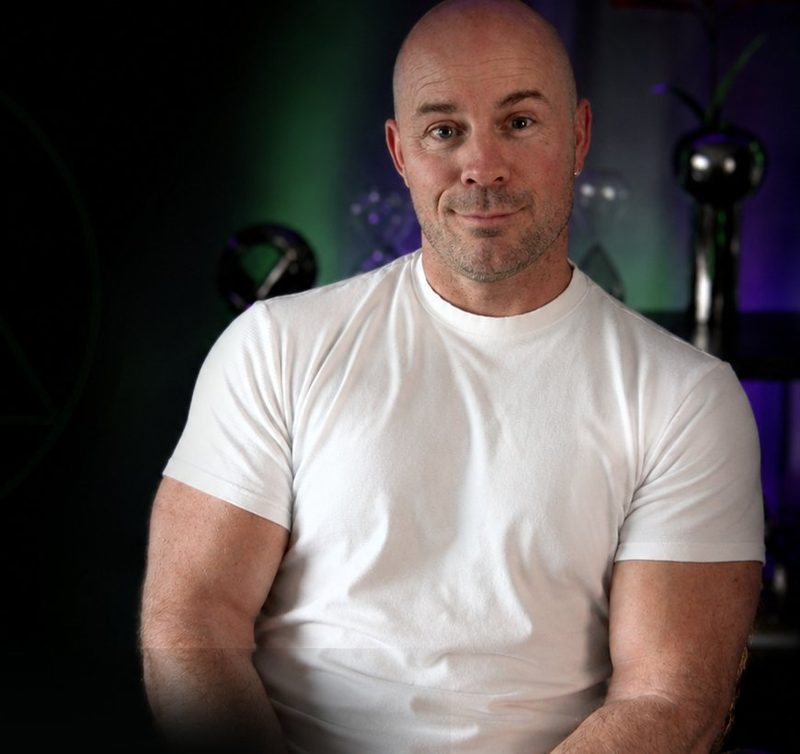
If you’ve tried to talk yourself out of this fear and it hasn’t worked, that isn’t a lack of willpower. A phobia is an alarm your mind learned, and logic alone rarely switches it off.
When I work with a fear of being alone, I first look at what the fear is really about, whether it goes back to a loss, a time you felt abandoned, or a frightening moment with no one there. Using hypnotherapy and NLP over Zoom, I help your mind settle those old feelings so they stop flooding in when the door closes. We rehearse evenings and nights on your own in your imagination, feeling safe and comfortable in your own company. Many clients find time alone becomes calmer and even enjoyable. You get a recording of the hypnosis, which many people like to play on nights alone.
I’ve spent 17 years in clinical practice and helped more than 1,000 people with phobias. I hold a Postgraduate Certificate and a Postgraduate Diploma in Clinical Hypnotherapy, both with Distinction.
If you’re feeling lonely or low, talking to your GP or someone you trust can help too.
Common questions
What is the difference between monophobia and loneliness?
Loneliness is sadness about not having the connection you want. Monophobia is fear and anxiety about being on your own, even if you have close friends and family.
Can a fear of being alone start after a break up?
Yes. Losing a partner, through a break up or a bereavement, can suddenly leave you facing time alone you have not had before. For some people that brings up older fears of being left.
Why is the fear worse at night?
Night is quieter, darker and usually when people are most alone, so the mind has more space to scan for danger. Being tired also makes anxiety harder to manage.
Where does it come from?
It can follow a bereavement, a break-up, or a childhood where you often felt left on your own.
How do sessions work?
I use hypnotherapy and NLP to change how your mind responds to being on your own. Sessions are one to one over Zoom, and you get a recording of the hypnosis to listen to afterwards.
How many sessions will I need?
Many clients notice a real difference after one 90 minute session. If the fear goes back a long way, three sessions gives us room to make the change stick.
Further reading: Cleveland Clinic: Autophobia (monophobia) · WebMD: What is monophobia · NHS: Phobias
Ready to start?
A short call is the simplest next step. We’ll talk about your fear, what you’d like to feel instead, and whether I’m the right person to help.
- Take the free test at the top of this page to see how strong your fear is.
- Book a 30 minute call. Use code PHOBIA at checkout for half price: £24.50 instead of £49 ($29.50 outside the UK).
- Start your sessions over Zoom from wherever you live, or face to face in Hertfordshire.
See all session options and prices