
Fear of flying (aerophobia)
En español: lee sobre este miedo en Fobias.org.
Some people fly but grip the armrest the whole way. Others haven’t flown in years and have quietly turned down holidays, weddings abroad and work trips.
Picture booking the holiday without the dread. Many people find that with the right help, they can board feeling settled and look forward to where they’re going.
Use code PHOBIA at checkout for half price: £24.50 instead of £49. Outside the UK? $29.50.
Understanding this fear
Aerophobia, also called aviophobia, is a deep and lasting fear of flying. Lots of travellers feel a twinge of nerves at take off or during turbulence, then settle down. With a phobia, the dread can begin weeks before a trip, and some people refuse to fly at all, even for a family wedding or a career move.
The fear is rarely about just one thing. For some it is the thought of a crash, for others it is being shut in a cabin, being high up or not being in control. It often overlaps with claustrophobia, fear of heights and panic attacks. It can start after a rough flight or after hearing about an air accident, and some people develop it later in life after years of flying without a problem.
Common triggers
- Booking a flight
- Packing the night before
- Security queues
- The cabin doors closing
- Engines powering up on the runway
- Turbulence
- Changes in engine sound
- The seatbelt sign coming on
- News stories about air accidents
- Not being able to see out
Where it shows up
- Airports and departure lounges
- Boarding gates and jet bridges
- Aircraft cabins
- Window or middle seats
- Long haul overnight flights
- Small regional planes
- Work trips abroad
- Family holidays
Symptoms
In your body
- Racing heart as the plane speeds up
- Sweaty palms
- Gripping the armrests
- Shallow breathing or feeling short of breath
- Nausea or butterflies
- Trembling
- Poor sleep before the trip
In your mind
- Certainty the plane will crash
- Reading danger into every bump or noise
- Feeling trapped with no way off
- Fear of having a panic attack in front of others
- Worry about losing control
- Imagining the worst for weeks beforehand
What you might do
- Refusing to fly at all
- Choosing long drives or ferries instead
- Watching the crew for signs of trouble
- Checking weather and flight trackers repeatedly
- Relying on alcohol to get through
- Needing a particular seat or companion
What causes it
A bumpy or frightening flight is a common starting point, as is hearing about an accident or watching dramatic news coverage. Feeling out of control plays a big part, as passengers cannot steer, stop or step outside. For people who already struggle with enclosed spaces or heights, a plane combines both. The mind then starts to read normal sounds and movements as danger, and avoiding flights, or getting through them with rituals and constant checking, keeps that link strong.
How it can affect your life
A fear of flying can limit holidays, visits to family overseas and careers that involve travel. People sometimes miss weddings, funerals or important life events, which can bring guilt and strain on relationships. Others do fly but spend weeks dreading it and arrive exhausted. For some, the fear quietly shapes where they live, work and holiday.
Things that can help day to day
- Learn how flights work and how rare accidents are, so your thinking mind has facts to hold on to
- Cut down on caffeine and energy drinks before and during the trip
- Practise slow breathing with a longer out breath in the weeks before you travel, not just on the day
- Prepare calming audio, a book or a film to focus on during the flight
- Look into fear of flying courses, which some airlines run
When to get help
It is worth getting help if the fear is stopping you seeing family, taking holidays or doing your job, or if you have panic attacks at the thought of flying. Speak to your GP if anxiety is affecting your daily life, and ask them about any health questions linked to flying. Getting help well before a booked trip gives you time to practise.
How I can help
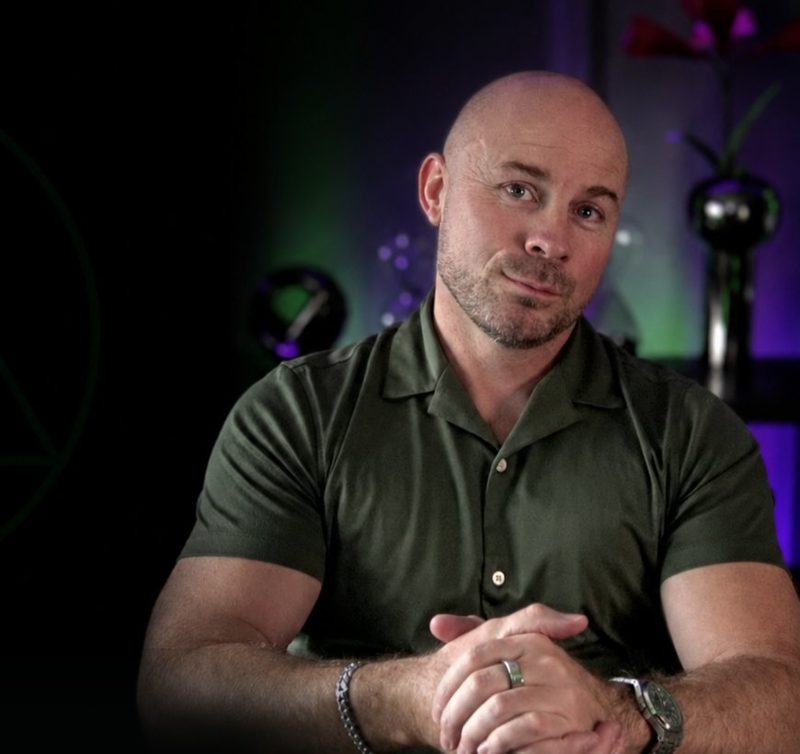
If you’ve tried to talk yourself out of this fear and it hasn’t worked, that isn’t a lack of willpower. A phobia is an alarm your mind learned, and logic alone rarely switches it off.
Fear of flying is one of the most common phobias I work with. Over Zoom, I start by finding out what the fear is really about for you, whether that is turbulence, being shut in, heights or a single bad flight years ago. With hypnotherapy and NLP we take the sting out of that core memory, then rehearse the whole trip in your mind, from packing to the doors closing to landing, while your body stays calm. I also give you simple techniques to use on the day. Many clients find they can board feeling settled, and some even start to enjoy flying.
I’ve spent 17 years in clinical practice and helped more than 1,000 people with phobias. I hold a Postgraduate Certificate and a Postgraduate Diploma in Clinical Hypnotherapy, both with Distinction.
Adam helped me get over my fear of flights so I could enjoy flying. I can now take long-haul flights and take holidays. It’s changed my life and opened up the world!
Rosa, Edinburgh
Common questions
Is turbulence dangerous?
Turbulence feels uncomfortable but it is a normal part of flying, and aircraft are built to handle it. Keeping your seatbelt fastened whenever you are seated is the simple step that keeps passengers safe in bumpy air.
Do fear of flying courses help?
Many airlines and specialists run courses that explain how planes work and teach ways to manage anxiety, and lots of people find them useful. The NHS mentions phobia support sessions run by airlines as one self help option.
Why have I suddenly become scared of flying?
A fear of flying can appear later in life, sometimes after a rough flight, a stressful period or news of an accident, and sometimes with no clear trigger at all. It does not mean something is wrong with you, and it can be worked on.
Is it really about crashing?
Often not. For many people it’s about feeling trapped or out of control, or it’s tied to another fear such as heights or having a panic attack. Finding out what yours is really about tells us what needs to change.
How do sessions work?
I use hypnotherapy and NLP, and we rehearse the whole trip in your mind until it feels manageable. You also get a recording of the hypnosis to listen to before you fly.
I have a flight booked. When should I start?
A few weeks before is ideal, so there’s time for a follow-up session if you need one.
Further reading: Cleveland Clinic: Aerophobia (fear of flying) · Healthline: Fear of flying · NHS: Phobias · Mind: About phobias
Ready to start?
A short call is the simplest next step. We’ll talk about your fear, what you’d like to feel instead, and whether I’m the right person to help.
- Take the free test at the top of this page to see how strong your fear is.
- Book a 30 minute call. Use code PHOBIA at checkout for half price: £24.50 instead of £49 ($29.50 outside the UK).
- Start your sessions over Zoom from wherever you live, or face to face in Hertfordshire.
See all session options and prices