
Fear of rats and mice (musophobia)
En español: lee sobre este miedo en Fobias.org.
Something darting across the floor, scratching in the walls, a mouse in the kitchen. For some people it means not being able to relax in their own home.
Many people find that with the right help, they can feel settled in their own home again, even after a sighting or a noise in the walls.
Use code PHOBIA at checkout for half price: £24.50 instead of £49. Outside the UK? $29.50.
Understanding this fear
Musophobia is an intense fear of rats and mice. Not wanting rodents in your home is perfectly reasonable, and they do need dealing with. A phobia is different: the thought of a mouse can stop you sleeping, a scratching sound can bring on panic, and you may avoid whole rooms or buildings. The sudden darting movement is often what people find hardest.
It is one of the more common animal phobias and affects people of all ages. Popular culture has long shown it as a female fear, but men have it too, although women are more likely to have specific phobias in general. It often starts in childhood after a sudden fright, or by picking up a parent’s reaction. For some people disgust and worry about dirt and disease are as strong as the fear itself.
Common triggers
- A mouse darting across the floor
- Scratching or scurrying sounds in walls or ceilings
- Droppings in cupboards
- Gnawed food packets
- Rats near bins or water
- Pet rats or mice at a friend’s house
- Pictures or films showing rodents
- Long, bare tails
Where it shows up
- Kitchens and food cupboards
- Lofts, sheds and garages
- Underground stations and railway tracks
- Canal paths and riverbanks
- Bins and alleys behind restaurants
- Farms and stables
- Pet shops
Symptoms
In your body
- Jumping or freezing on the spot
- Racing heart
- Screaming or gasping
- Shaking legs
- Sweating
- Feeling sick at the thought of droppings
In your mind
- It will run at me or up my leg
- My home is no longer safe
- Feeling dirty or contaminated
- Constantly listening out for sounds at night
- Dread of finding one when opening a cupboard
What you might do
- Avoiding rooms, sheds or lofts
- Standing on chairs or leaving the house
- Checking cupboards and floors repeatedly
- Asking others to deal with traps or checks
- Moving home or refusing to stay in older buildings
What causes it
The fear often grows out of the startle reflex, the automatic jump we all have when something moves suddenly and unexpectedly. If that fright happens in childhood, or is paired with a strong reaction from someone nearby, the brain can learn that rodents mean danger. Ideas about dirt, disease and plague picked up from stories and other people add disgust to the mix. Rodents are fast, small and hard to predict, which makes it hard to feel in control. Avoiding them, or getting someone else to deal with them, brings relief and keeps the fear in place.
How it can affect your life
Musophobia can make it hard to relax at home, especially in older properties or during colder months when mice come indoors. Some people lose sleep listening for noises, refuse to go into lofts or sheds, or feel unable to stay with friends who keep pet rats. Walking along canals or waiting on Tube platforms can feel tense. It can also cause arguments when others do not take the fear seriously.
Things that can help day to day
- Deal with any real problem practically, using a pest control service if needed
- Keep food sealed and gaps blocked so you feel more in control
- Use slow breathing to calm the startle response
- Look at calm pictures or videos of mice from a distance and build up slowly
- Notice disaster thoughts and remind yourself that rodents usually run away from people
When to get help
If the fear is stopping you sleeping, using parts of your home, travelling or visiting people, it is worth getting help. If anxiety is affecting daily life more widely, your GP is a good first port of call and can talk through options, including talking therapies.
How I can help
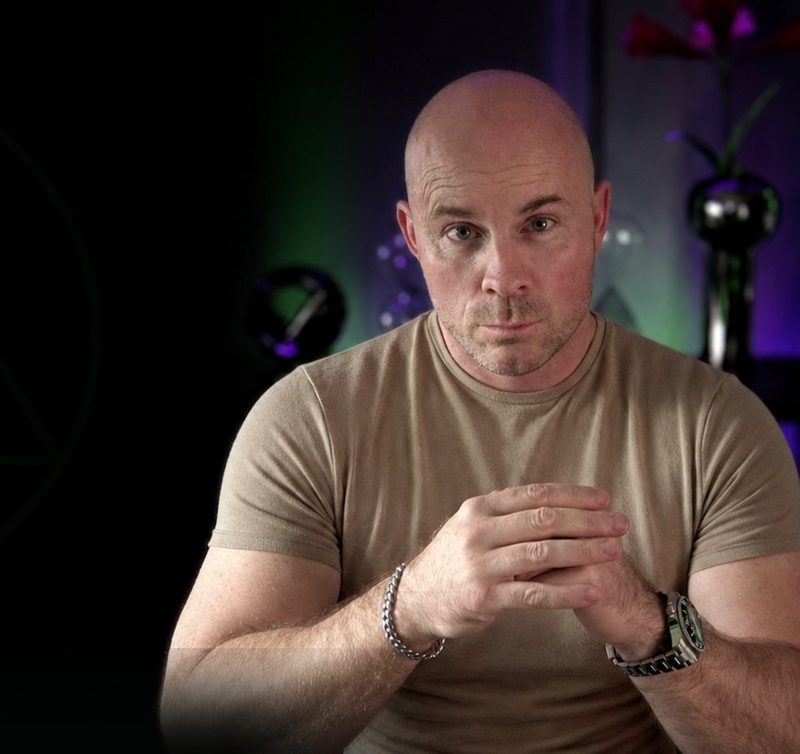
If you’ve tried to talk yourself out of this fear and it hasn’t worked, that isn’t a lack of willpower. A phobia is an alarm your mind learned, and logic alone rarely switches it off.
When I work with a fear of rats and mice over Zoom, I start by finding where it came from and which part bothers you most, usually the sudden movement or the feeling of dirt. In hypnosis we rehearse hearing a noise or seeing a mouse in the distance while your body stays settled, so the startle reflex stops tipping into panic. I use NLP to change how the old frightening moments are stored. Many clients find they can deal with the occasional mouse sensibly and feel at home in their own house again.
I’ve spent 17 years in clinical practice and helped more than 1,000 people with phobias. I hold a Postgraduate Certificate and a Postgraduate Diploma in Clinical Hypnotherapy, both with Distinction.
Common questions
Why do mice scare people so much when they are so small?
The sudden, darting movement sets off our startle reflex. Add ideas about dirt and disease and the feeling of not knowing where it will run next, and the fear can be far bigger than the animal.
Will a mouse attack me?
Mice and rats nearly always run away from people. If you have rodents at home, a pest control service can deal with them safely.
Can I get over a fear of rats if I live in a city?
Yes, many people do. Working on the fear helps you feel calmer on platforms, near bins or by canals, even though rats will still be around.
Where does it come from?
Often a childhood fright, or ideas about dirt and disease picked up from others. The sudden darting movement is a big trigger.
How do sessions work?
I use hypnotherapy and NLP to change how your mind responds to rats and mice. Sessions are one to one over Zoom, and you get a recording of the hypnosis to listen to afterwards.
How many sessions will I need?
Many clients notice a real difference after one 90 minute session. If the fear goes back a long way, three sessions gives us room to make the change stick.
I have mice at home right now. Can you help?
Yes. Deal with the mice practically, and we’ll work on the fear so you can feel settled at home while that happens.
Further reading: Discover Magazine: Why are we so afraid of mice and other rodents · Wikipedia: Fear of mice and rats · NHS: Phobias · Mind: About phobias
Ready to start?
A short call is the simplest next step. We’ll talk about your fear, what you’d like to feel instead, and whether I’m the right person to help.
- Take the free test at the top of this page to see how strong your fear is.
- Book a 30 minute call. Use code PHOBIA at checkout for half price: £24.50 instead of £49 ($29.50 outside the UK).
- Start your sessions over Zoom from wherever you live, or face to face in Hertfordshire.
See all session options and prices