
Fear of germs (mysophobia)
En español: lee sobre este miedo en Fobias.org.
Being careful about hygiene is sensible. A fear of germs goes further, with constant cleaning, avoiding touch and worrying long after the moment has passed.
Many people find that with the right help, they can keep sensible hygiene and still shake hands, share a meal and let a worry go once it has passed.
Use code PHOBIA at checkout for half price: £24.50 instead of £49. Outside the UK? $29.50.
Understanding this fear
Mysophobia, sometimes called germophobia, is an intense fear of germs, dirt and contamination. Washing your hands and keeping things clean is sensible. With mysophobia the fear goes much further: you may feel that touching a door handle or shaking hands has made you dirty or put you at risk, and the worry stays with you long after. Cleaning brings relief for a short time, but the feeling soon comes back.
It is classed as a specific phobia, but it overlaps strongly with obsessive compulsive disorder, where contamination fears and repeated washing are among the most common patterns. The two can happen together but are not the same thing. Many people noticed their germ worries grow during the pandemic, and for some they did not settle afterwards. Like most phobias it often starts in childhood or after a frightening illness.
Common triggers
- Door handles, lift buttons and card machines
- Shaking hands or hugging
- Someone coughing or sneezing nearby
- Public toilets
- Shared food or cutlery
- Money, phones and shared keyboards
- Hospitals and waiting rooms
- News of a virus or bug going round
Where it shows up
- Public transport
- Supermarkets and shops
- Gyms and swimming pools
- Offices and shared kitchens
- Restaurants and buffets
- Children’s play areas and schools
- Other people’s homes
Symptoms
In your body
- Racing heart when you think you have touched something dirty
- Sweating or trembling
- Tight chest or fast breathing
- Nausea or feeling queasy
- Sore, cracked skin from repeated washing
- Feeling dizzy or on edge
In your mind
- I have picked up something and will get ill
- I might pass germs on to my family
- Feeling dirty even after washing
- Seeing strangers and public places as unsafe
- Intrusive pictures of germs spreading
What you might do
- Washing hands far more often or for much longer than needed
- Using tissues, gloves or sleeves to touch things
- Avoiding handshakes, public toilets and shared food
- Showering or cleaning the home many times a day
- Asking others to wash or change clothes when they come in
What causes it
The exact cause is not clear, but several things seem to play a part. A serious illness, a frightening health scare or a period like the pandemic can teach the brain that germs are a constant danger. Growing up with a parent who was very anxious about cleanliness can pass on the same habits and beliefs. Genes, general anxiety and differences in brain chemistry may also make it more likely. Each wash or wipe brings quick relief, so the brain learns that cleaning is the only way to feel safe, and the urge gets stronger.
How it can affect your life
A fear of germs can take up hours of the day and wear down skin, energy and confidence. It may mean avoiding public transport, eating out, gyms or visits to friends, and can make hospital or GP appointments very hard. Partners and children may be asked to follow strict rules, which can cause tension at home. At work, shared spaces and equipment can feel like a daily battle.
Things that can help day to day
- Follow normal hygiene advice, then practise stopping there
- Keep a simple diary of how often you wash or clean and cut back a little each week
- When the urge comes, wait a few minutes and breathe slowly before acting
- Ask yourself what the real risk is and write down a balanced answer
- Use moisturiser to protect sore hands while you reduce washing
When to get help
If washing or cleaning is taking up a lot of time, causing sore skin or stopping you going places, it is worth getting help. Your GP is a good first step, especially as it can be linked to OCD, which rarely improves without support. In England you can also refer yourself to NHS talking therapies.
How I can help
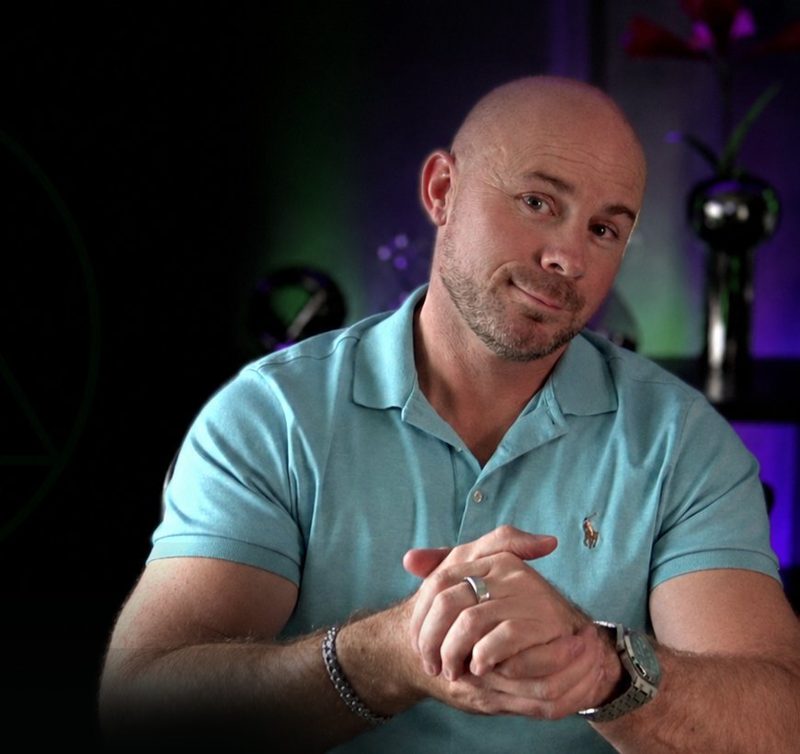
If you’ve tried to talk yourself out of this fear and it hasn’t worked, that isn’t a lack of willpower. A phobia is an alarm your mind learned, and logic alone rarely switches it off.
When I work with a fear of germs over Zoom, I first want to understand what the fear is protecting, often a worry about getting ill or harming someone you love. In hypnosis we rehearse touching a door handle or eating out while your body stays calm, so the alarm stops firing automatically. I use NLP to loosen the feeling of being dirty that drives the urge to wash. Many clients find they can keep sensible hygiene habits without the constant fear, and if there is an OCD pattern I will suggest you speak to your GP as well.
I’ve spent 17 years in clinical practice and helped more than 1,000 people with phobias. I hold a Postgraduate Certificate and a Postgraduate Diploma in Clinical Hypnotherapy, both with Distinction.
Common questions
Is germophobia the same as OCD?
Not exactly. Mysophobia is a fear of germs, while OCD involves intrusive thoughts and compulsions you feel driven to complete. They often overlap, so a GP or therapist can help work out what is going on.
Did the pandemic cause fear of germs?
For some people it started or grew during that time, which is understandable. If the worry is still strong now and affecting daily life, it is worth getting support.
How much handwashing is too much?
Washing after the toilet, before food and when hands are dirty is normal. If you are washing many more times, scrubbing until skin is sore or feeling unable to stop, that is a sign the fear has taken over.
Where does it come from?
It can follow an illness, a health scare or a time like the pandemic. For some people it’s linked to OCD, which is worth talking to your GP about.
How do sessions work?
I use hypnotherapy and NLP to change how your mind responds to germs. Sessions are one to one over Zoom, and you get a recording of the hypnosis to listen to afterwards.
How many sessions will I need?
Many clients notice a real difference after one 90 minute session. If the fear goes back a long way, three sessions gives us room to make the change stick.
Further reading: Medical News Today: Mysophobia · Psych Central: Mysophobia (germophobia) · NHS: OCD symptoms
Ready to start?
A short call is the simplest next step. We’ll talk about your fear, what you’d like to feel instead, and whether I’m the right person to help.
- Take the free test at the top of this page to see how strong your fear is.
- Book a 30 minute call. Use code PHOBIA at checkout for half price: £24.50 instead of £49 ($29.50 outside the UK).
- Start your sessions over Zoom from wherever you live, or face to face in Hertfordshire.
See all session options and prices